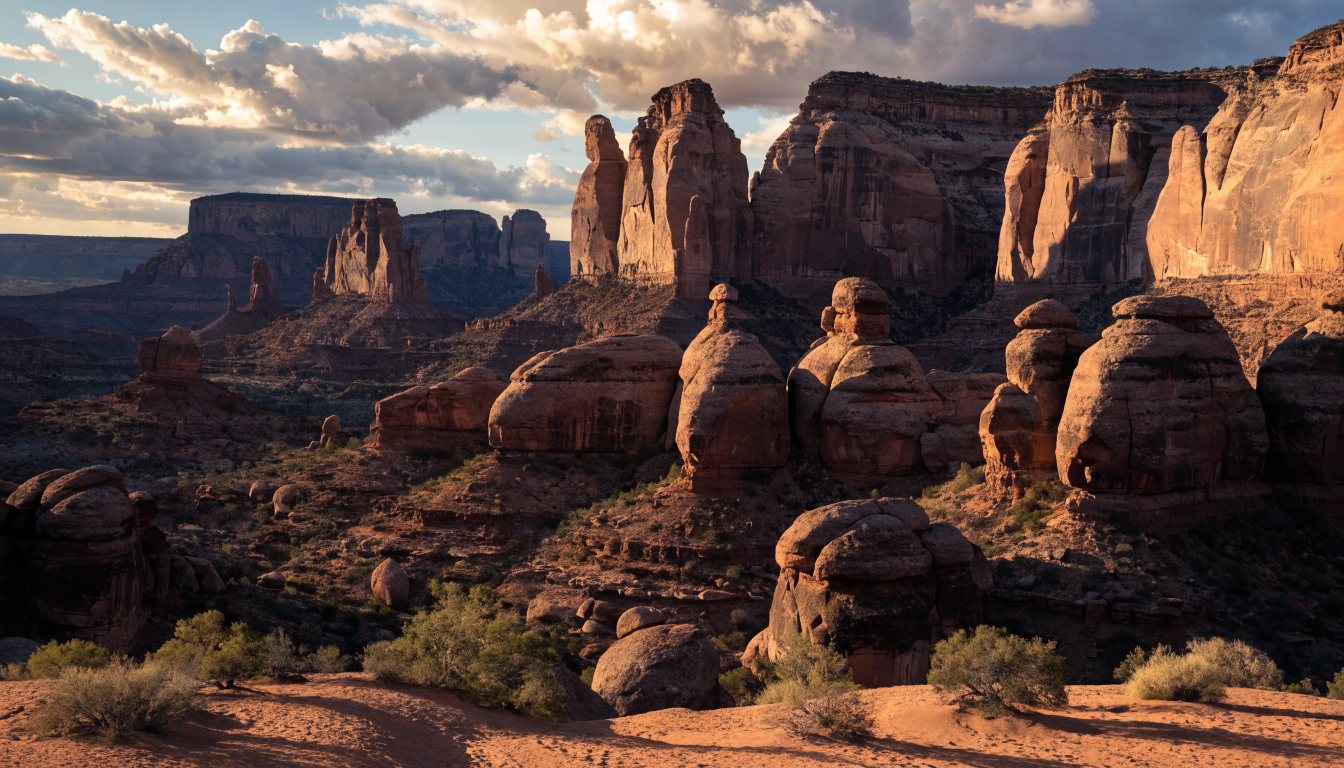
Recraft V4 Vector
Recraft · Image · Text → Image
Dedicated SVG vector output with clean lines and 10K-character prompts.
recraftv4_vectorWorkflow: recraft/v1/images/generationsOverview
Alongside the unified model APIs, we expose compatibility APIs that take each vendor's original parameters exactly as the vendor defines them — nothing renamed, nothing reshaped on the way through.
That makes them the shortest path onto Picsart if you already work with the vendor directly: the request bodies you've already written keep working as they are. You keep their parameter names and defaults, and you get the vendor's full parameter set rather than the subset that is shared across every model.
The cost is that a request is written for one vendor — switching models later means rewriting it, and results come back in the vendor's own shape. When you'd rather write once and change models freely, use the unified API.
Make a request
Call the workflow with ai.apis.run() in TypeScript, or hit /workflows/{workflow}/execute directly — params is passed through untouched either way.
These endpoints are addressed by workflow name rather than model id: the one in this model's header, since one model runs as one workflow. Authentication is unchanged — your Picsart API key as a bearer token (see Authentication).
import { createClient, ApiRunMode } from '@picsart/ai-sdk';

const ai = createClient({
  apiKey: process.env.PICSART_API_KEY,
  apiUrl: 'https://api.picsart.com',
});

// Calls the 'recraft/v1/images/generations' workflow directly — params are sent as-is.
const { result, usage } = await ai.apis.run('recraft/v1/images/generations', {
  prompt: "A serene mountain lake at golden hour, ultra detailed",
  model: "recraftv2"
}, {
  mode: ApiRunMode.SYNC,
});

console.log(result); // workflow-specific output
console.log(usage?.credits); // credits charged
Parameters
14 parameters, sent inside params. These are the vendor's own names, so they line up one-for-one with the vendor's documentation. Required ones must be supplied; the rest fall back to their defaults.
| Parameter | Type | Required | Default | Details |
|---|---|---|---|---|
promptText prompt describing the desired image | string | yes | — | — |
image_urlURL of the input image for image-to-image transformation. Supported by the Recraft V3 and V4/V4.1 model families (raster and vector). | string | no | — | — |
strengthInfluence level of input image (0-1). Required when image_url is provided. | number | no | — | — |
nNumber of images to generate | number | no | — | — |
modelAI model to use | string | yes | — | recraftv2recraftv2_vectorrecraftv3recraftv3_vectorrecraftv4recraftv4_vectorrecraftv4_prorecraftv4_pro_vectorrecraftv4_stylesrecraftv4_styles_vectorrecraftv4_styles_prorecraftv4_styles_pro_vectorrecraftv4_1recraftv4_1_vectorrecraftv4_1_prorecraftv4_1_pro_vectorrecraftv4_1_utilityrecraftv4_1_utility_vectorrecraftv4_1_utility_prorecraftv4_1_utility_pro_vectorrecraftv4_1_flash |
styleVisual style (e.g. "realistic_image", "digital_illustration", "vector_illustration", "icon"). The V4 Styles model family (recraftv4_styles*) is style-driven and takes style_id or style_reference_urls instead of curated style names. | string | no | — | — |
style_idCustom style ID (UUID), e.g. created via recraft/v1/styles. Cannot be combined with style_reference_urls. | string | no | — | — |
style_reference_urlsImage URLs used as an inline style reference (max 5, PNG/JPG/WEBP, total ≤10MB). Text-to-image only; cannot be combined with style_id. | string[] | no | — | — |
substyleDetailed style variant | string | no | — | — |
negative_promptWhat to exclude from the image | string | no | — | — |
sizeOutput image size (e.g. "1024x1024", "1:1") | string | no | — | — |
image_formatOutput image format | string | no | — | webppng |
controlsArtistic controls | object | no | — | — |
└ artistic_levelArtistic level | number | no | — | — |
└ background_colorBackground color in hex | string | no | — | — |
└ colorsColor palette | string[] | no | — | — |
└ no_textDisable text rendering | boolean | no | — | — |
optionsOptions controlling safety checks and drive integration | object | no | — | — |
└ safety_checksSafety check settings | object | no | — | — |
└ enabledWhether to run content moderation. Defaults to true. | boolean | no | — | — |
└ driveSave result to Picsart Drive | object | no | — | — |
└ nameFile name in Picsart Drive | string | yes | — | — |
└ attributesCustom attributes to attach to the file | object | no | — | — |
└ folderTarget folder in Picsart Drive | object | no | — | — |
└ inputs_transformationInput transformation settings | object | no | — | — |
└ downscale_oversized_imagesWhether to downscale oversized input images. Defaults to false. | boolean | no | — | — |
Response
Over HTTP the output arrives inside a status envelope, at response.result. ai.apis.run() unwraps that envelope for you and resolves to { result, usage } instead. Either way the resultitself is the vendor's own shape.
{
  "result": {
    "items": [
      {
        "url": "https://cdn.picsart.com/…/result.jpg",
        "mimeType": "image/jpeg",
        "driveFile": {}
      }
    ]
  },
  "usage": {
    "credits": 3
  }
}