


Comic strips tell complete stories in just a handful of frames. They’re fast, visual, and surprisingly powerful. If you’ve ever followed a joke across four panels or swiped through an illustrated story on social media, you already understand the appeal. So what is a comic strip? At its core, it’s a short sequence of illustrated panels that uses images, dialogue, and captions to tell a self-contained story usually read left to right and often wrapped up in 3-6 panels.
The comic strip’s meaning hasn’t changed much in over a century. What has changed is who gets to make them. What once required drawing skills, printing presses, and syndication can now start with a single photo. With tools like Picsart’s Comic Book Generator, anyone can turn a snapshot into a stylized, multi-panel story in seconds.
Let’s break down the meaning of a comic strip, where the format came from, and how to use it in creative ways today.
Comic strip meaning: what defines the format?
A comic strip is a short series of drawings arranged in panels that work together to tell a story. Each panel moves the narrative forward. Characters speak through dialogue bubbles. Captions add context. Expressions, motion lines, and visual cues carry emotion without long paragraphs of explanation.
If you’ve ever wondered what the meaning of a comic strip is compared to other comic formats, the distinction is pretty straightforward.
A comic book is a full publication made up of multiple pages and extended plotlines. A graphic novel stretches even further into book-length storytelling. A single-panel cartoon delivers everything in one image. A comic strip sits right in the middle: short, sequential, and tightly structured.
How long is a comic strip? Traditionally, weekday newspaper strips ran three or four panels. Sunday editions expanded to six, sometimes more. Webcomics loosened the rules, but brevity still defines the format. ComicMe typically generates four to six panels per strip, which keeps the pacing sharp and readable.
A quick look at the history of comic strips
The history of comic strips dates back to the late 1890s, when illustrated newspaper features like The Yellow Kid began running in American papers. By the mid-20th century, strips like Peanuts, Garfield, and Calvin and Hobbes became cultural fixtures. Families followed characters daily, almost like checking in with old friends.
The 2000s shifted everything online. Webcomics removed publishing barriers and gave independent creators space to experiment. Now, AI-powered tools have lowered the barrier even further. Instead of sketching every frame by hand, creators can focus on the idea – the setup, the tension, the punchline – and let technology handle the visual execution.
Comic strip ideas to try in ComicMe
Once you understand what a comic strip is, the real question becomes: what story do you want to tell?
ComicMe turns a single image into a full, illustrated sequence. Upload a selfie, a group photo, a pet picture – anything with personality. Then choose a genre, add a short storyline prompt, and generate. The result feels polished but still playful.
Here are some comic strip ideas to spark momentum:
Superhero origin story
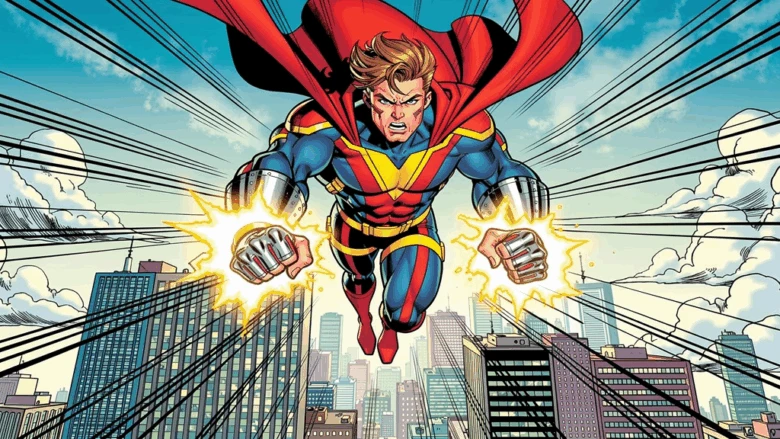
“You discover you can control time after touching a strange clock at a flea market.” The first panel sets up the discovery. The second shows experimentation. By the final frame, something unexpected happens. Short arcs work beautifully in this format.
Pet adventure
“Your dog escapes the yard and forms an alliance with neighborhood pets to overthrow the squirrel gang.” The contrast between epic stakes and everyday settings makes this one especially fun.
Horror survival
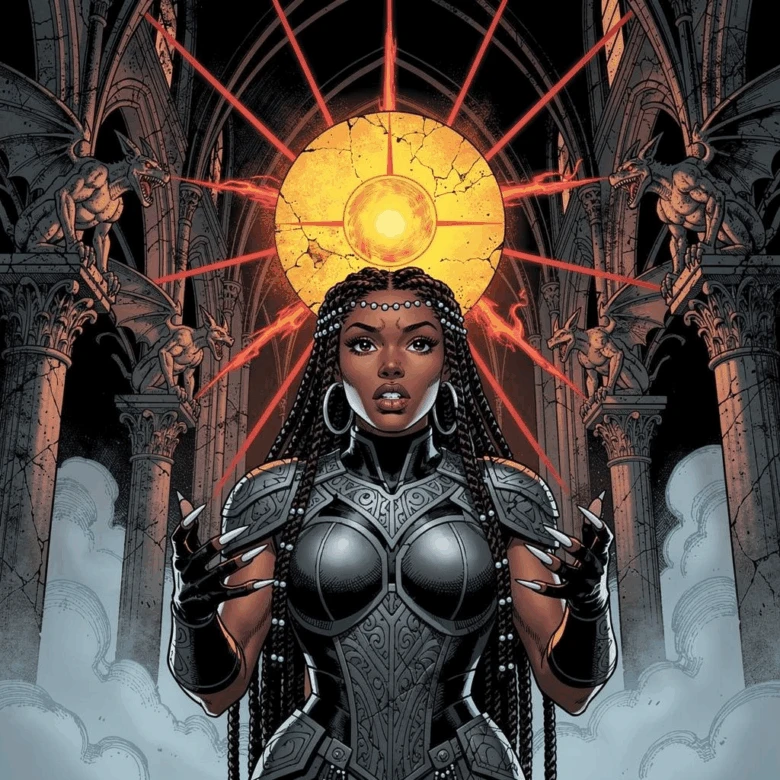
“You wake up alone in a museum at night. The paintings are watching you.” With just a few frames, tension builds quickly. Shadows, expressions, and minimal dialogue do most of the work.
Sci-fi escape
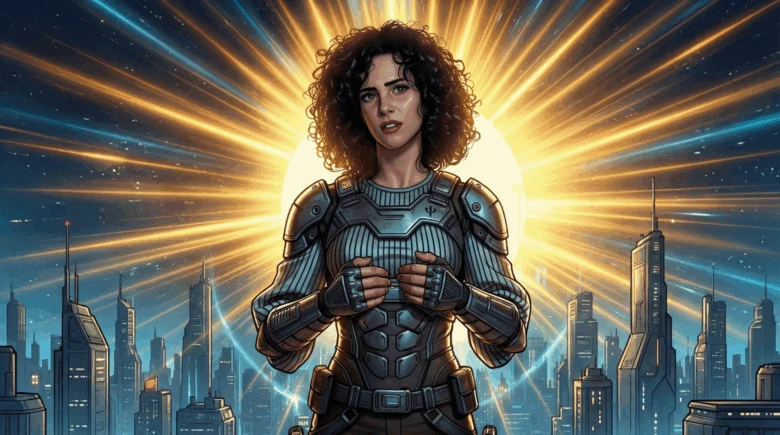
“You’re the last person on a space station, and the AI just locked every door.” A ticking-clock scenario fits perfectly into four to six panels.
Comedy of Errors
“You accidentally send a text meant for your best friend to your boss, and now you have to explain.” Relatable scenarios shine in compact storytelling.
Neon noir mystery
“A private detective follows glowing footprints through a rain-soaked city at midnight.” Strong atmosphere and sharp dialogue can carry this kind of strip.
Ways to use comic strips today
Comic strips aren’t just nostalgia from the newspaper’s funny pages. They’re one of the most adaptable storytelling tools available right now.
Social media content
A well-structured comic strip naturally encourages swiping. The reader wants to see what happens next. On platforms like Instagram, a four-panel carousel can outperform a single static image because it creates built-in narrative tension.
Marketing and brand storytelling
Instead of listing product features, brands can show a character encountering a problem and solving it. The story feels human. It feels entertaining. That shift in format changes how audiences engage with the message.
Education and school projects
Students often understand complex topics better when they translate them into scenes and dialogue. Turning a historical event or scientific concept into panels forces clarity. It becomes active learning rather than passive memorization.
Personal creative projects
Birthday comics starring the guest of honor feel far more personal than a standard card. Vacation photos can be reframed as mini-adventures. Even holiday greetings gain more personality when they unfold across frames.
Memes and internet culture
Many viral memes follow a comic strip structure: setup, escalation, punchline. The rhythm works because it mirrors how we process humor. We expect a turn. The format delivers it quickly.
At its core, what is a comic strip really about? Compression. You take a full story and distill it into its most essential beats. That discipline makes it powerful.
Ready to create your own?
Now you have a clear answer to what a comic strip is and a better understanding of why the format still works. It’s concise. It’s visual. It leaves room for personality.
Pick a photo. Choose a genre. Write a short storyline with a beginning, middle, and twist. Then turn it into a multi-panel comic strip and see where the story goes.
Create your own comic strip with Picsart ComicMe.
Frequently asked questions
A comic strip is a short sequence of illustrated panels that tells a complete story using images and dialogue. It usually contains three to six panels and wraps up within that space.


