


Ad testing is one of the smartest ways to improve your campaigns. Instead of guessing which headline, image, or format might work best, marketers use ad testing tools to compare different versions before spending big on ads. The result? More clicks, stronger engagement, and better ROI.
What is ad testing?
Ad testing is the process of trying out different ad creatives, copy, and formats to see which ones connect best with your audience. Think of it as taking the guesswork out of advertising. By showing variations of an ad – before or during a campaign – you can figure out what actually works instead of relying on gut instinct.
Why ad testing matters
People scroll past hundreds of ads every day. Without testing, brands risk wasting money on campaigns that don’t stick. Ad testing software helps reveal what grabs attention, whether it’s a sharp headline, a bold image, or the right call-to-action.
It’s not just about conversions either. Testing gives you confidence. With clear data, you’ll know your creative choices are valid and not just a lucky guess.
Types of ad testing
There are a few simple ad testing methods, depending on your budget and goals. The first one is A/B testing, where you compare two ads with one element changed (like a headline or image). Another option is multivariate testing, which is testing several versions at once to see how different combinations perform. You can also use surveys and focus groups to get feedback on ad ideas before launch. Another way of testing is eye-tracking and neuroscience tools for more advanced methods to see how people react on a subconscious level.
How ad testing works in practice
Most ad tests involve separating an audience into groups and showing each group a different version of your ad. Then, you track metrics like click-through rate, engagement, or conversions to see which performs best. If you’re working with a small budget, you can still try free ad testing methods such as polls on social media or survey tools.
Smart questions to ask when testing ads
Good results start with good ad testing questions. Here are a few to keep in mind:
- Which headline grabs attention first?
- Does the visual attract curiosity or feel relevant?
- Is the call-to-action clear and motivating?
- Which version actually drives clicks or engagement?
Best practices for ad testing
- Test one thing at a time – Too many changes at once make results confusing.
- Get enough responses – A small sample can give misleading results.
- Mix numbers with feedback – Data shows what worked, comments show why.
- Keep testing – Ad testing isn’t a one-time thing. The more you refine, the better your ads perform.
How to run an ad test step by step
- Define your goal (brand awareness, clicks, conversions, etc.).
- Choose your testing method – A/B, surveys, or software.
- Create variations that highlight different headlines, visuals, or calls-to-action.
- Run the test, track the data, and pick the winner.
After you find the top performer, keep monitoring and refining. Tools like Picsart’s Ad Performance dashboard can help you track and adjust in real time.
Create better ads faster
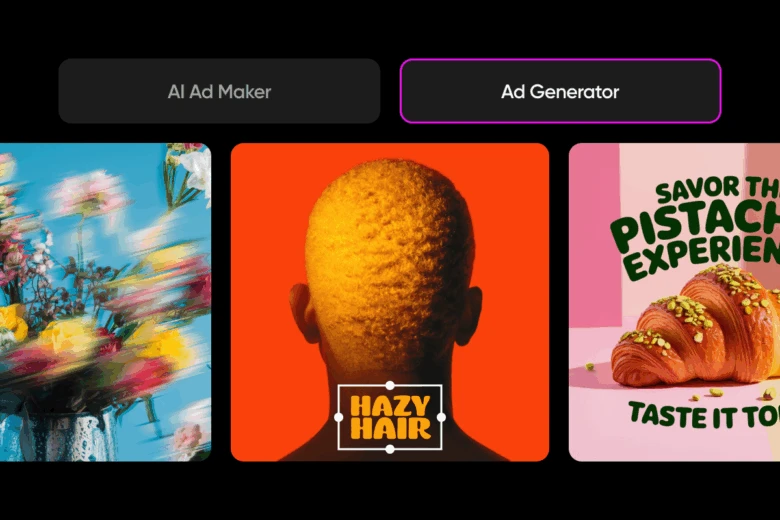
Great testing starts with strong creativity. Instead of starting from scratch, you can use tools to speed things up. Picsart’s AI Ad Maker helps you design professional ads in minutes, while the Ad Generator turns your copy into polished creatives ready for testing. These tools help you to focus on testing and improving your campaigns.
Conclusion
Ad testing takes the guesswork out of marketing. By running structured tests and asking the right questions, you’ll learn what really resonates with your audience, and save money in the process. Combine smart testing methods with creative tools like Picsart’s ad maker and performance dashboard, and you’ll always have the data-driven edge to run better campaigns.


