


Contents
A powerful marketing strategy isn’t just a nice-to-have – it’s the blueprint that determines whether your business thrives or fades into the noise. It guides every campaign, content piece, and post you publish. If you’re asking, “How do I create a marketing strategy?”, you’re already a step ahead. This post breaks down the process step by step, using clear examples, actionable tips, and even a marketing strategy template to help you get started today.
What are the steps to create a marketing strategy?
To build a strategy that’s both intentional and effective, you need a structured approach. Here are the 7 steps of marketing strategy creation:
1. Define your goals
Start by asking: What does success look like? It could be boosting brand awareness, growing your email list, or increasing conversions.
2. Know your audience
Craft detailed buyer personas. Who are they? What do they care about? What problems are you solving?
3. Analyze your competitors
Study how others in your niche are positioning themselves. This helps you spot market gaps and opportunities.
4. Set your budget
Whether you’re working with $100 or $100,000, define how much you’re investing and allocate it across channels smartly.
5. Choose your channels
This is where you decide between digital ads, social media, email marketing, or SEO – based on where your audience lives.
6. Create your messaging
Your content should speak your audience’s language while expressing your brand’s unique voice.
7. Measure everything
Use KPIs and analytics tools to track progress and iterate on your strategy.
For a deeper dive into these steps tailored to small businesses, explore this complete guide to marketing strategy for small businesses.
What are the 4 marketing strategies?

The 4 basic marketing strategies, often referred to as the 4 Ps of marketing, are:
- Product – What are you offering and what makes it valuable?
- Price – How do you position your offering in the market?
- Place – Where are you selling it – online, in-store, or both?
- Promotion – How are you getting the word out?
Understanding these helps anchor your decisions around customer value, delivery, and differentiation.
What is the 1% rule in marketing?
The 1% rule in marketing refers to the idea that only 1% of a digital community actively creates content, while the remaining 99% consume or engage with it. For marketers, this means massive potential lies in user-generated content, community-driven campaigns, and tools that make it easy for anyone to create – like Picsart templates for social media posts, promos, and ads.
How to create a marketing strategy step by step
Here’s a practical breakdown of how to create a marketing strategy step by step:
- Audit your current marketing efforts.
- Research your ideal customer.
- Set SMART goals (Specific, Measurable, Achievable, Relevant, Time-bound).
- Pick tactics aligned with your audience and goals.
- Develop a calendar for content and campaigns.
- Assign roles if working with a team.
- Track and optimize weekly or monthly.
Need more tips? Check out these 10 marketing tips for small businesses in 2025 to see what’s working right now.
How to create a digital marketing strategy
To build a digital-first plan, focus on these pillars:
- SEO and content marketing: Blog posts, landing pages, videos.
- Social media: Use platforms like Instagram, TikTok, and Pinterest to reach younger, visually-driven audiences.
- Email marketing: Convert and retain customers with targeted campaigns.
- Paid media: Boost awareness with search ads, display ads, or influencer sponsorships.
If you’re wondering how to create a content marketing strategy, think in themes – then batch and repurpose across platforms. Picsart’s TikTok presence is a great example of quick-turn, highly engaging visuals in action – like this video that demonstrates visual storytelling on a trending platform.
How to create a marketing strategy for a business plan
When writing a marketing strategy for a business plan, emphasize:
- Market research findings
- Target customer profiles
- Key marketing objectives
- Promotion and distribution plans
- Projected ROI and metrics
A solid marketing section can strengthen your pitch to investors or internal stakeholders. Add visual elements like graphs or roadmaps using design tools to stand out.
Marketing strategy examples
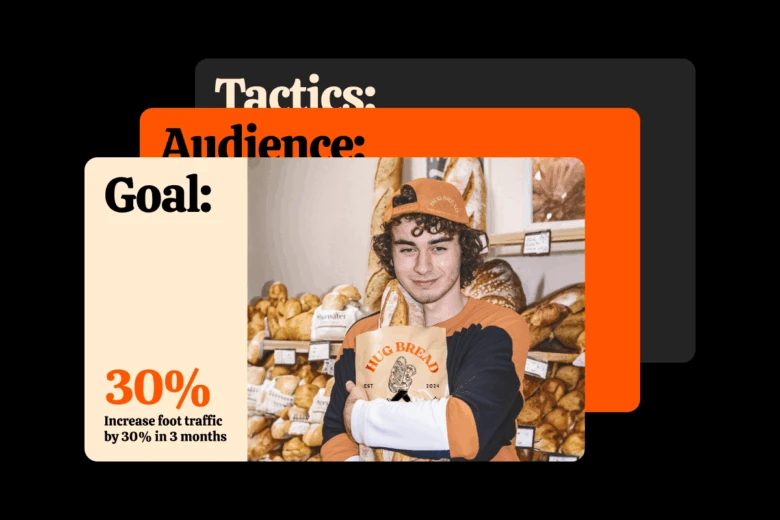
Let’s break down two simplified marketing strategy examples:
Example 1: Local bakery
- Goal: Increase foot traffic by 30% in 3 months
- Audience: Nearby college students and professionals
- Tactics: Instagram Reels, seasonal promos via SMS, Google My Business updates
Example 2: E-commerce fitness brand
- Goal: Boost online sales by 50% in 6 months
- Audience: Millennials interested in wellness
- Tactics: Affiliate influencers, TikTok challenges, targeted email flows
For more marketing strategy examples, check out the blog on small business strategies for real-world ideas.
7 types of marketing strategies
If you’re still exploring your approach, here are 7 types of marketing strategies to inspire your plan:
- Influencer marketing
- Content marketing
- Social media marketing
- Email marketing
- Guerrilla marketing
- Referral marketing
- Event marketing
Each of these can be customized based on your industry, goals, and audience habits.
How to create a marketing strategy template
A reusable marketing strategy template makes planning and alignment a breeze. It should include:
- Goal overview
- Target audience details
- Messaging pillars
- Channel plan
- Budget breakdown
- KPIs and timeline
You can design your own using customizable templates from Picsart – perfect for presentation decks or pitch documents.
Conclusion
So, what are the steps to create a marketing strategy that truly delivers? It starts with clarity, continues with creativity, and thrives on consistency. Use this guide to learn how to create a marketing plan tailored to your goals, and don’t forget to test, tweak, and evolve as you go.
For even more tips and marketing insights, check out this beginner’s guide to digital marketing for small businesses to see how digital-first brands are scaling faster than ever.


