


Contents
Ever wonder why some ads stick in your head while others vanish into the scroll? That’s no accident – it’s strategy. Behind every memorable commercial, sponsored post or billboard is a mix of proven advertising techniques designed to grab attention and spark action.
In this guide, we’ll break down essential advertising styles, persuasive techniques and methods of persuasion in advertising that marketers and creators use to make magic. Whether you’re running a product launch or designing your first poster, you’ll walk away ready to craft ads that connect and convert.
Understanding the different advertising styles that shape campaigns
Advertising styles are the creative blueprints behind every successful campaign. They influence tone, visuals and even emotional response. Here are a few that dominate the marketing world:
1. Emotional style
This approach tugs at heartstrings or inspires joy. Think of a holiday ad showing a family reunion or a puppy finding a home. Emotional ads connect deeply with audiences and foster brand loyalty.
2. Rational style
Rational advertising relies on logic. It presents facts, stats and product features to appeal to decision-makers. B2B companies and tech products often use this style to highlight benefits and solve problems.
3. Fear-based style
This technique works by presenting a threat, then offering the product as a solution. It’s commonly used in insurance, security or health campaigns (think: anti-smoking PSAs).
4. Humor-driven style
Funny ads boost memorability and likability. But they work best when the humor doesn’t overshadow the message. A clever meme or snappy video can build shareability on social media.
5. Lifestyle style
Brands using this technique align with aspirational lifestyles. Whether it’s a luxury watch ad set on a yacht or a fitness brand in a sun-drenched gym, these ads sell identity, not just products.
Looking to transform your ad style into scroll-stopping visuals? Try using the Picsart Ad Maker to design cohesive and eye-catching campaigns across formats.
Persuasive techniques in advertising: how brands influence you
The heart of a compelling ad is persuasion. But how do advertisers subtly guide your thoughts and emotions without you even noticing? Here’s a look at the influential techniques they pull:
1. Social proof
Humans follow the herd. Testimonials, reviews and user-generated content serve as trust signals. Seeing “10,000+ happy customers” quickly boosts credibility.
2. Scarcity
“Only 2 left in stock” or “Limited-time offer” taps into FOMO (fear of missing out). This urgency pushes people to act fast.
3. Reciprocity
Free trials, bonus downloads or “just because” discounts build goodwill. People naturally want to return a favor, even with a purchase.
4. Authority
When experts, celebrities or influencers endorse a product, it elevates its perceived value. Think skincare lines backed by dermatologists or headphones used by DJs.
5. Consistency
Once people commit to a small action, like signing up for a newsletter, they’re more likely to follow through with bigger ones, such as making a purchase.
You can apply these techniques with ease using tools like Picsart’s Product Ad Maker, which offers templates designed to visually reinforce social proof, scarcity and more.
Key methods of persuasion in advertising that drive results
Want to take things to the next level? These deeper persuasion strategies blend psychology and creative execution:
- Anchoring: Showing a high original price beside a discounted one makes the sale look more attractive.
- Framing: Presenting information in a positive light (“90% success rate” vs. “10% failure rate”) sways perception.
- Storytelling: Narrative ads are proven to increase retention and emotional engagement.
- Color psychology: Red triggers urgency, blue builds trust and yellow sparks optimism – perfect for shaping the mood of your visuals.
You don’t need a degree in psychology to get started – just smart tools. The Picsart Social Media Ad Maker helps creators build persuasive ads that stop the scroll with smart templates and brand-consistent design.
What techniques are used in ads? The 8 most important examples
For a quick-hit reference, here are eight advertising techniques you’ll see again and again across digital and print media:
- Repetition – Reinforces messaging and increases recall.
- Bandwagon – “Everyone’s doing it, so you should too.”
- Testimonials – Real user experiences = trust.
- Emotional appeal – Happiness, nostalgia, even sadness.
- Problem/solution – Highlight a pain point and how your product solves it.
- Humor – Laughter builds positive brand association.
- Shock – Unexpected visuals or copy grab instant attention.
- Celebrity endorsement – Instant awareness and trust transfer.
Looking for pre-made, customizable layouts to start? Check out Advertising Poster Templates or Flyer Advertising Templates to create high-impact visuals.
Create persuasive ads with Picsart
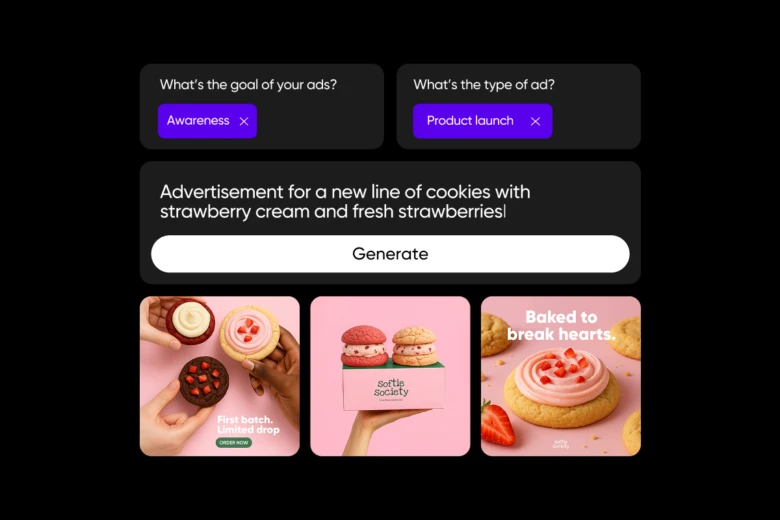
Whether you’re launching a product, promoting a seasonal sale or growing your brand on social, Picsart’s suite of ad creation tools is designed to support your goals. With thousands of editable templates, drag-and-drop tools and a mobile-first experience, turning persuasive strategies into high-performing visuals is just a few clicks away.
Final thoughts
Understanding advertising techniques from persuasive psychology to impactful visuals is your ticket to making smarter and more effective ads. Whether you lean on emotional storytelling or data-backed logic, the best campaigns combine creativity and strategy. And with Picsart’s intuitive tools, you don’t need a big agency budget to create ads that deliver big results.


