Animate your photos with AI motion effects in seconds

WORKFLOWS4 minBeginner

Transform static travel, portrait, or product photos into short animated videos with AI-generated motion.

Loading tutorial video

What you'll learn

  • How to select photos that work best for animation
  • Choose motion direction and pacing for your animation
  • Generate multiple animation variations from one photo
  • Export animated videos ready for social media

What is AI photo animation?

AI photo animation adds motion to still images by analyzing the scene and generating movement. The AI identifies elements like clouds, water, fabric, or background depth, then creates natural-looking motion. Think of it as bringing your photos to life without shooting video or learning complex animation software.

Common use cases

  • Travel content: Add motion to landscape and destination photos for Instagram Reels
  • Product marketing: Animate product shots to catch attention in social feeds
  • Portrait enhancement: Add subtle movement to headshots and lifestyle portraits
  • Real estate: Bring property photos to life with animated tours
  • E-commerce: Create dynamic product previews from static catalog images
  • Social media: Turn old photos into fresh video content

Animate your photo step by step

STEP 1: Upload your photo

  • On web: Go to picsart.com/flow → AI Animation → Upload your image
  • On mobile: Open Picsart → Flow tab → Animation → Select photo from gallery
Animate photos now

STEP 2: Choose motion direction and style

Select how you want your photo to move:

  • Subtle: Gentle movement like breathing clouds or swaying grass
  • Dynamic: Stronger motion with camera movement and element animation
  • Cinematic: Dramatic camera pans with layered depth effects
  • Custom: Adjust speed, direction, and which elements move
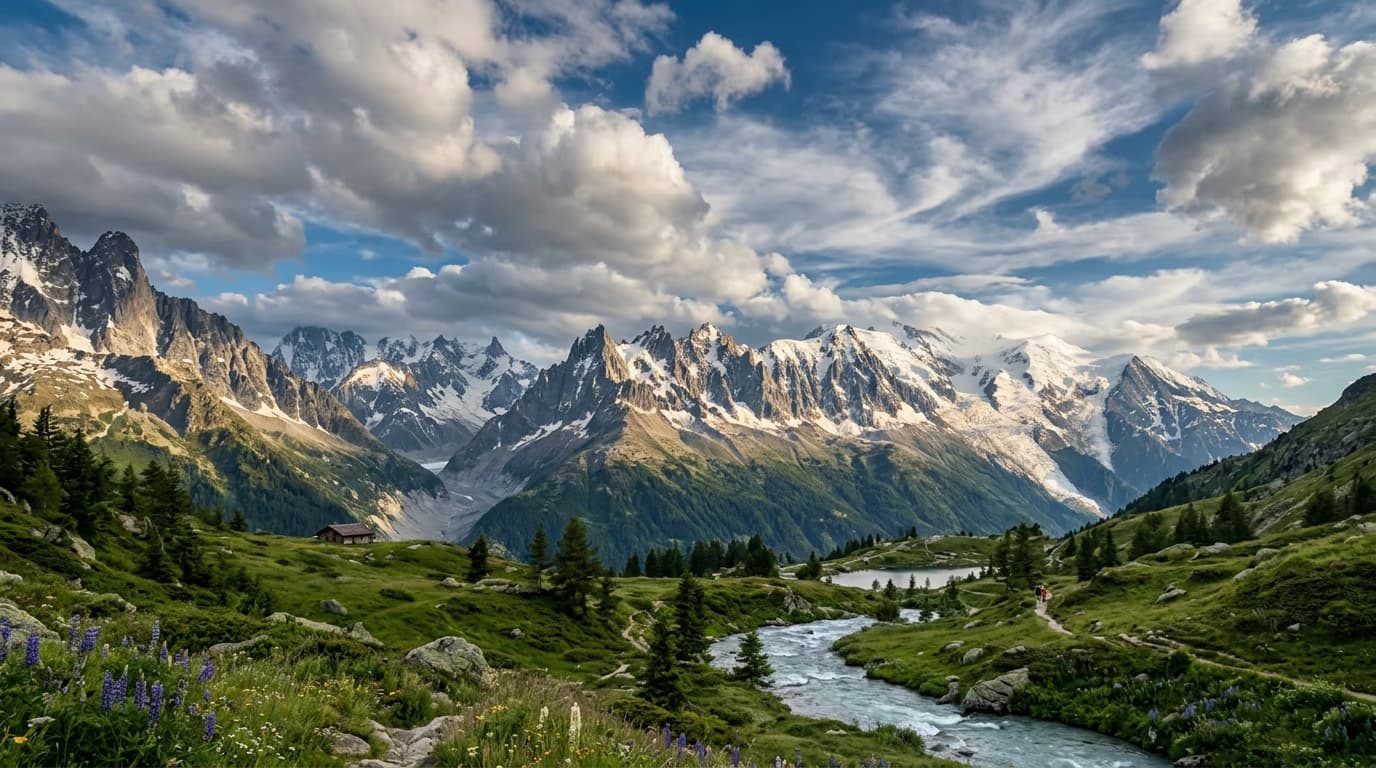
STEP 3: Generate animated video

Click "Generate" and the AI creates your animated video. Processing takes 10-30 seconds depending on complexity. The AI analyzes your image, identifies moveable elements, and applies motion that matches the scene's natural physics.

STEP 4: Review and export

Check that the animation looks natural: Not perfect? Generate again for different motion, or try a different style setting.

  • Verify movement matches the scene's natural physics
  • Check for smooth transitions without jarring jumps
  • Confirm the pacing works for your intended platform
Start animating

Tips for best results

💡 Choose photos with clear depth layers

Images with distinct foreground, midground, and background elements animate better. Landscapes with sky, mountains, and ground work well. Flat images with minimal depth produce less interesting motion.

💡 Start with subtle motion for portraits

Strong animation on faces can look unnatural. Use subtle settings for portraits and focus motion on background elements like hair, clothing, or environment instead of facial features.

💡 Match animation speed to your platform

Instagram Reels and TikTok favor faster motion that grabs attention quickly. LinkedIn and YouTube allow slower, more cinematic pacing. Export multiple versions at different speeds to test what performs best.

Frequently asked questions

The AI analyzes your image to identify depth layers, moveable elements, and scene context. It then generates motion by creating intermediate frames between the original image and predicted future positions. Elements like clouds, water, and fabric receive natural physics-based movement while maintaining photo realism.

Yes. The Picsart mobile app includes the same animation features as the web version. Upload a photo, choose your motion settings, and generate animations directly on your phone. Export videos save to your camera roll ready for posting.

JPG and PNG files both work well. Higher resolution images produce better results since the AI has more detail to work with. Images should be at least 1080px on the shortest side for quality output. Photos with clear subjects and distinct depth layers animate more naturally than flat compositions.

Unnatural results usually come from trying to animate photos with minimal depth or complex subjects that confuse the AI. Avoid animating images with many overlapping objects, reflective surfaces, or flat compositions. Faces with strong animation settings can also distort. Use subtle motion on portraits and save dynamic settings for landscapes and products.

Ready to bring photos to life?

Transform your static images into animated videos in seconds.

Animate your photos