Color wheel
Find effective color pairings in a variety of schemes with Picsart’s online color wheel. Delve into color theory and effortlessly master color harmony for your creative projects with the complementary color wheel.
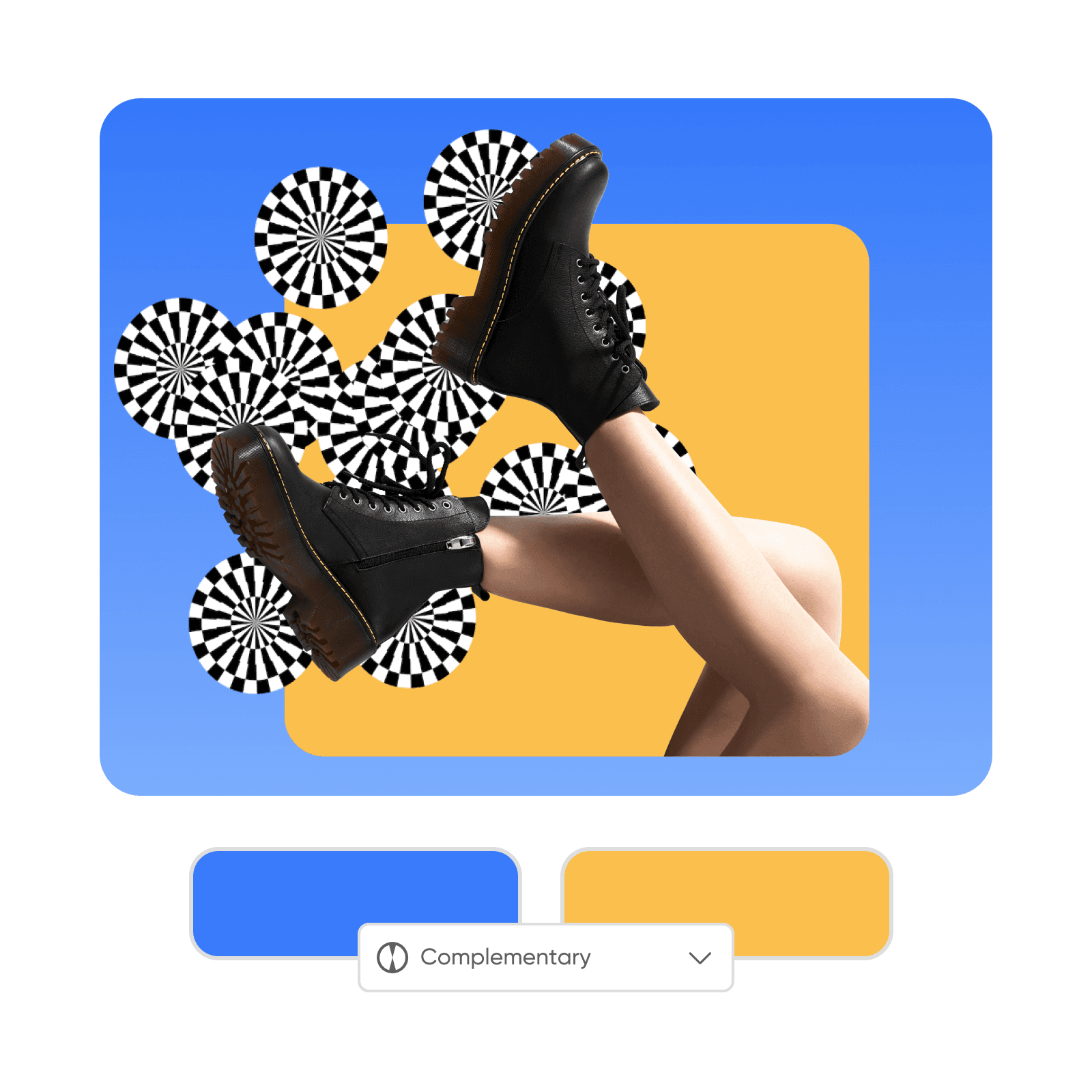
How to use the color wheel
How to
Pick a base color
Use the cursor in the color wheel above to select a base color and the outer wheel to adjust its brightness.
The uses of the color wheel
The color wheel, a circular chart invented by Isaac Newton, acts as a compass for navigating the world of color theory. It visually maps the relationships between colors, guiding you towards achieving color harmony – pleasing combinations that create a balanced and visually attractive composition. There are two main types of color wheels:
- RYB (Red, Yellow, Blue): Commonly used by artists for mixing physical paints.
- RGB (Red, Green, Blue): Designed for digital applications, like visuals destined for screen use, reflecting how light creates colors on screens. Picsart’s color wheel is also RGB as it is designed for online use.
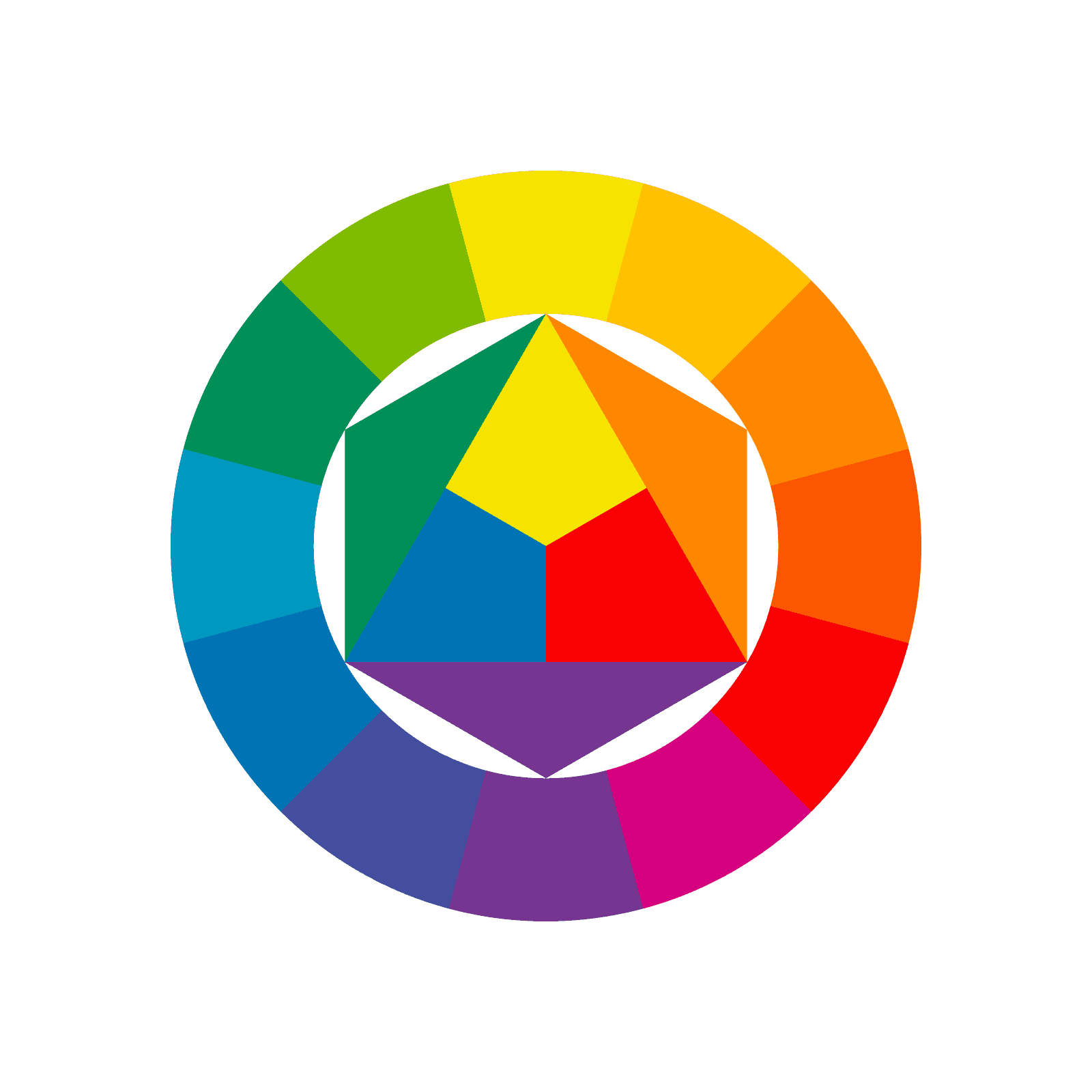
Master color theory with Picsart’s online color wheel
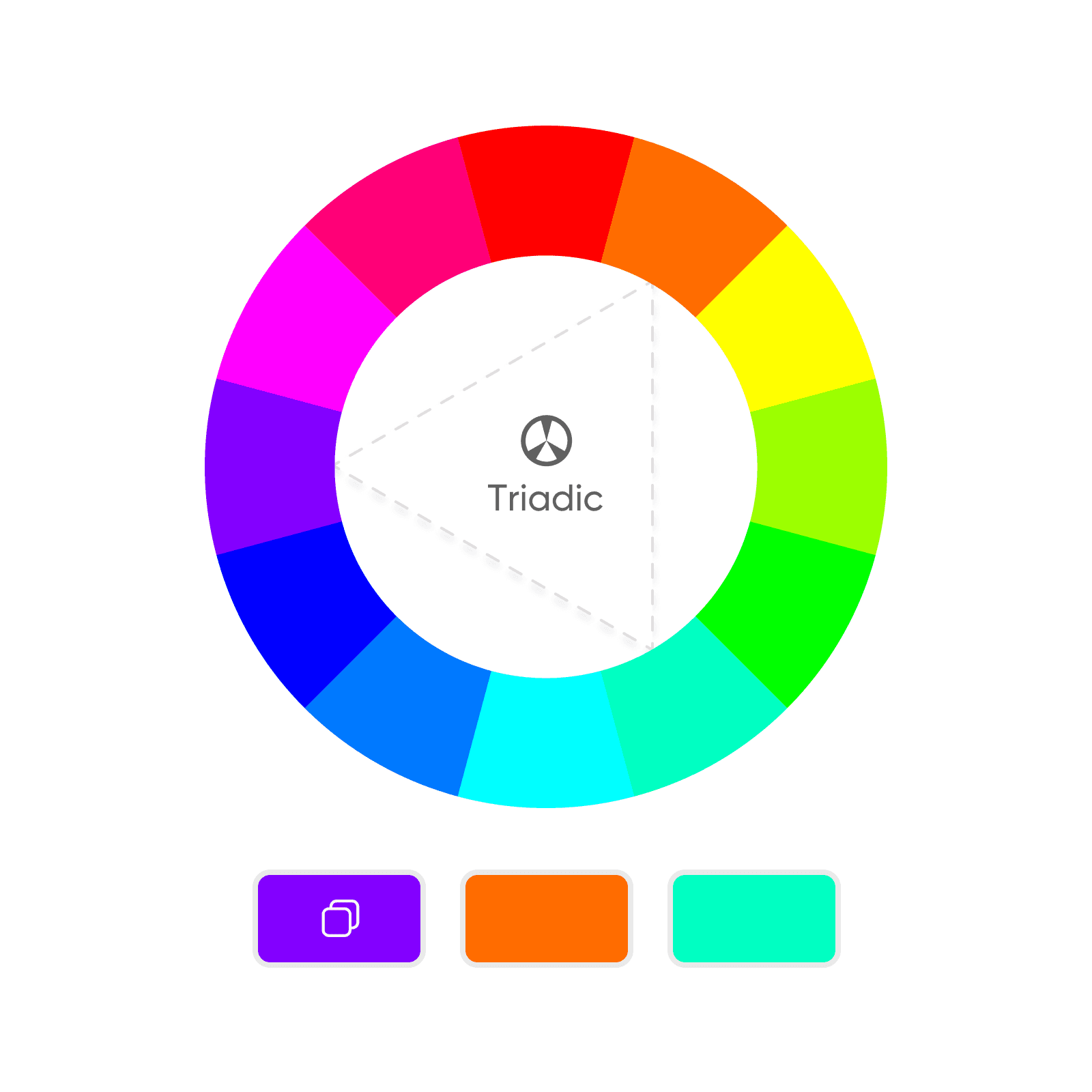
Effortlessly create captivating combinations and harmonies with an interactive color wheel online. Explore a wide spectrum of hues and easily pinpoint the exact shades you need. Find complementary colors in a variety of palette combinations like monochromatic, analogous, tetradic, and triadic color schemes. Copy and paste HEX, RGB, and RYB colors with ease and export in a convenient PDF summary file.
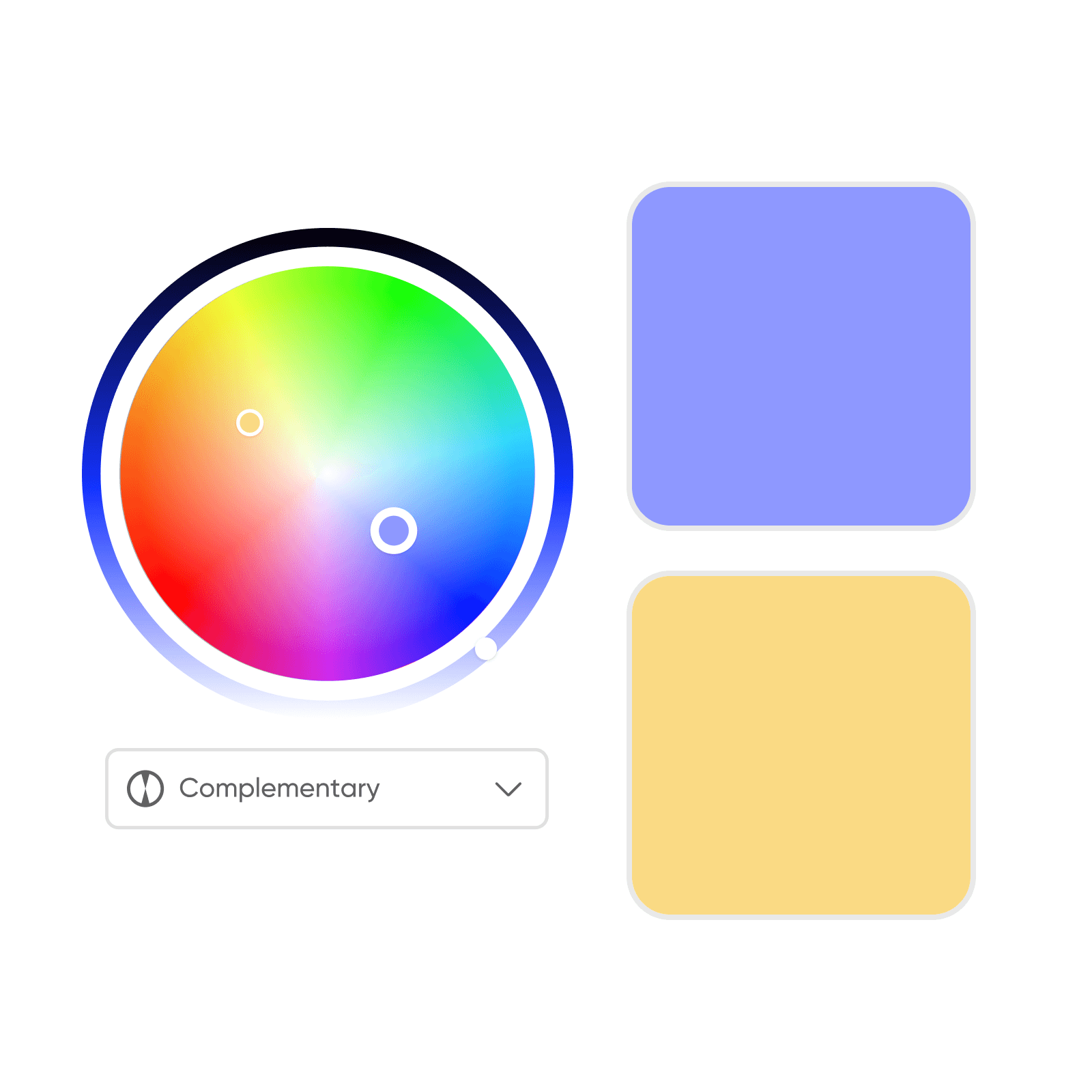
Use the complementary color wheel to find harmonious hues
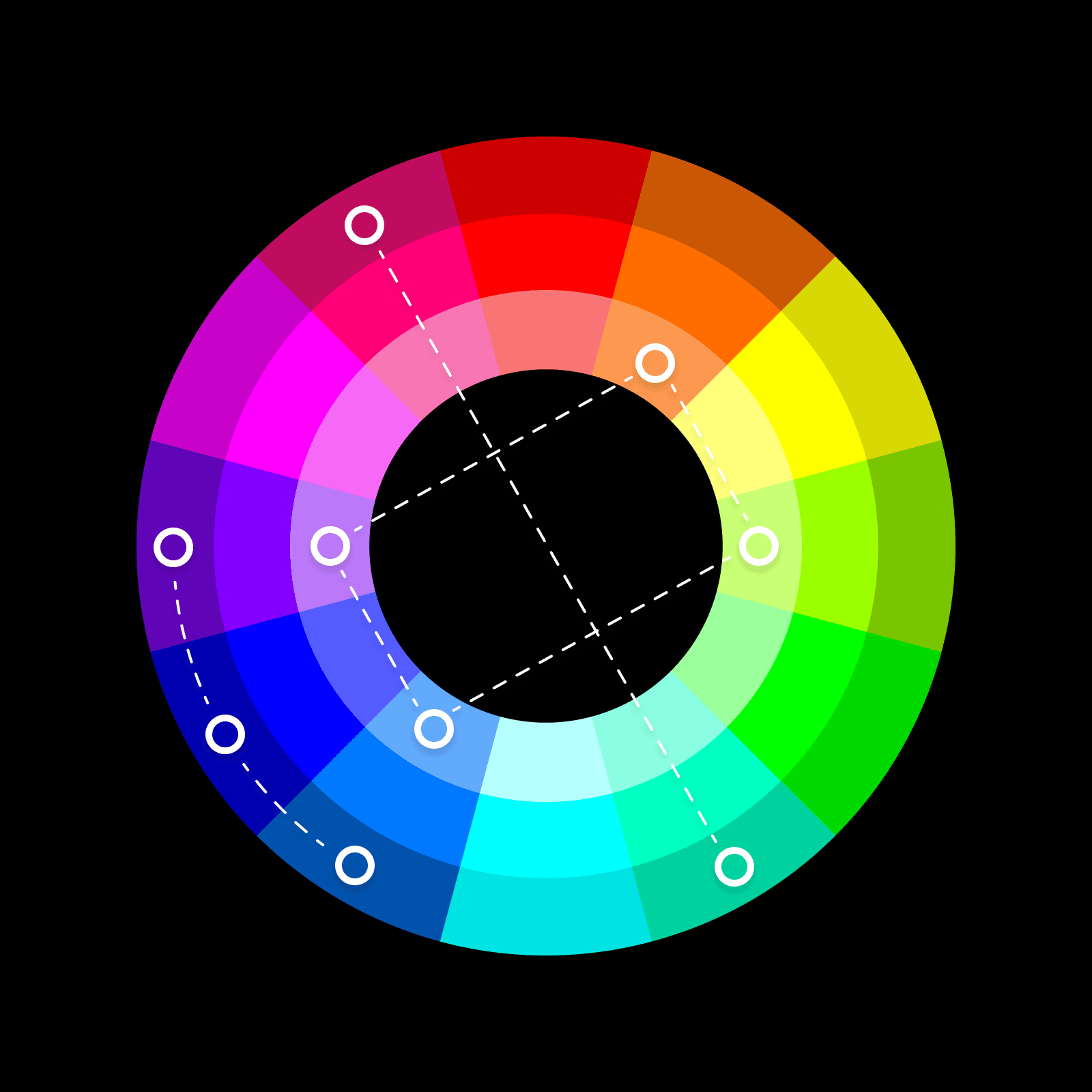
Picsart’s color wheel offers a complementary color wheel that highlights colors that either sit opposite each other on the color circle or work together well. This is very useful for finding various harmonious or contrasting colors. Each type of combination helps you achieve different goals:
- Color harmony: Achieve a balanced and aesthetically pleasing look by using colors that complement each other.
- Contrasting colors: Create a bold and dynamic effect with contrasting color combinations.
- Color matching: Ensure adherence to brand guidelines and color stories by using the color wheel as a reference for your color palette.
The interactive color wheel in practice
The color wheel transcends creative disciplines, serving as a universal language for understanding and using color effectively. Regardless of experience level, the color wheel empowers users to make informed decisions and elevate their projects in numerous ways:
- Graphic design: The color wheel can be used to create cohesive brand identities or inject vibrancy into marketing campaigns by guiding users in crafting eye-catching logos, websites, and marketing materials that leave a lasting impression.
- Photography: By using the color wheel, photographers can correct color casts, enhance the natural tones of their photos, or add a touch of creative flair with selective color adjustments, ultimately achieving balanced and visually appealing compositions.
- Fashion: The color wheel helps users select clothing and accessory color combinations that complement each other and flatter their personal style. It allows for experimentation with bold contrasts or the creation of harmonious monochromatic looks.
- Interior design: The color wheel informs choices in paint colors and room layouts, influencing the mood and atmosphere of a space. For example, it can be used to create a sense of energy and warmth in a living room, tranquilit, and relaxation in a bedroom, or inspire creativity in a home office.
- Product design: The color wheel assists in designing products that are not only functional but also visually appealing. It helps users create color schemes that align with their target audience and brand identity.
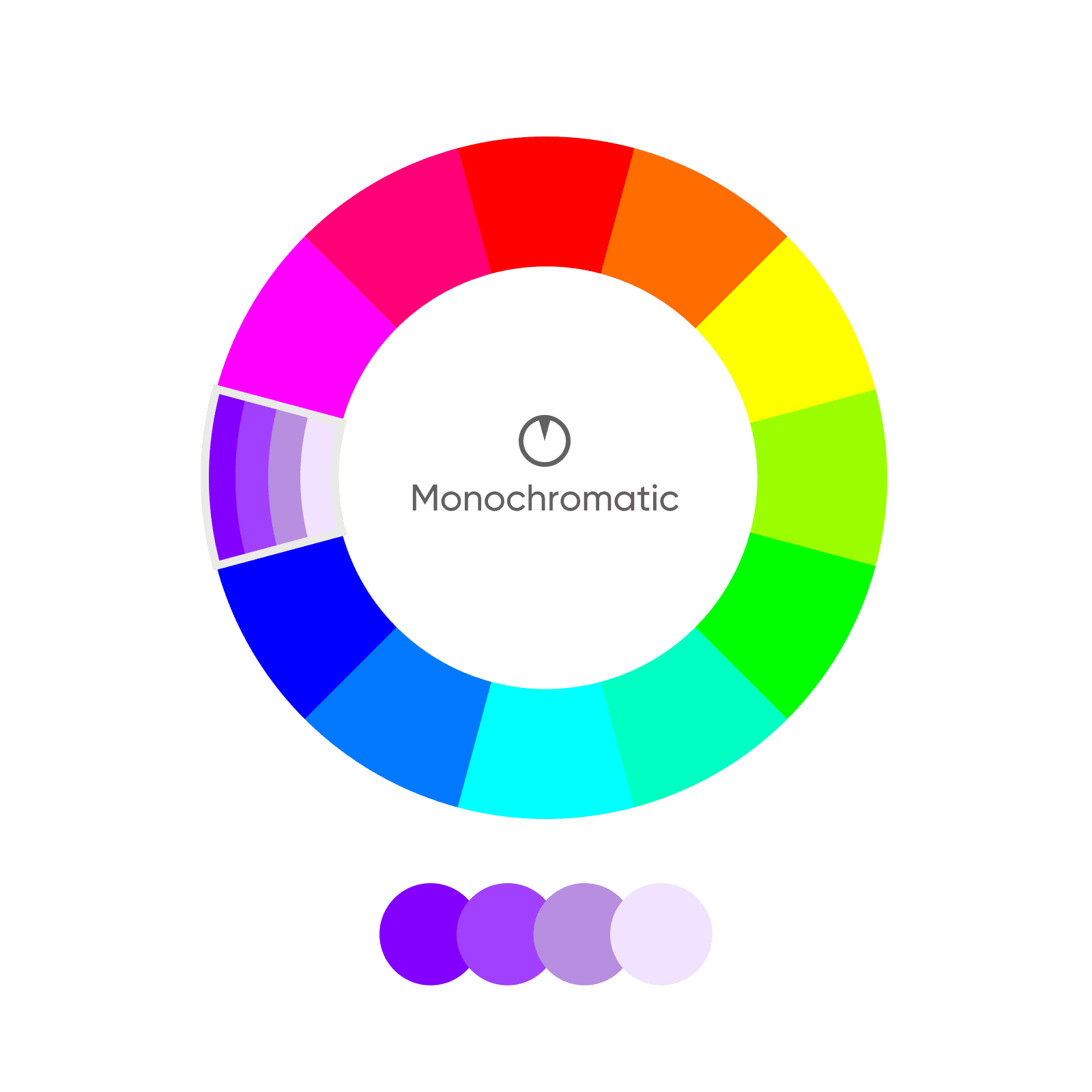
Explore color combinations
Types of color combinations
Color schemes are specific color combinations used to create visual interest and evoke emotions. There are five popular color schemes, all of which are available in Picsart’s wheel of colors. Use the arrow to move to the next slides and explore each popular color scheme and its meaning.
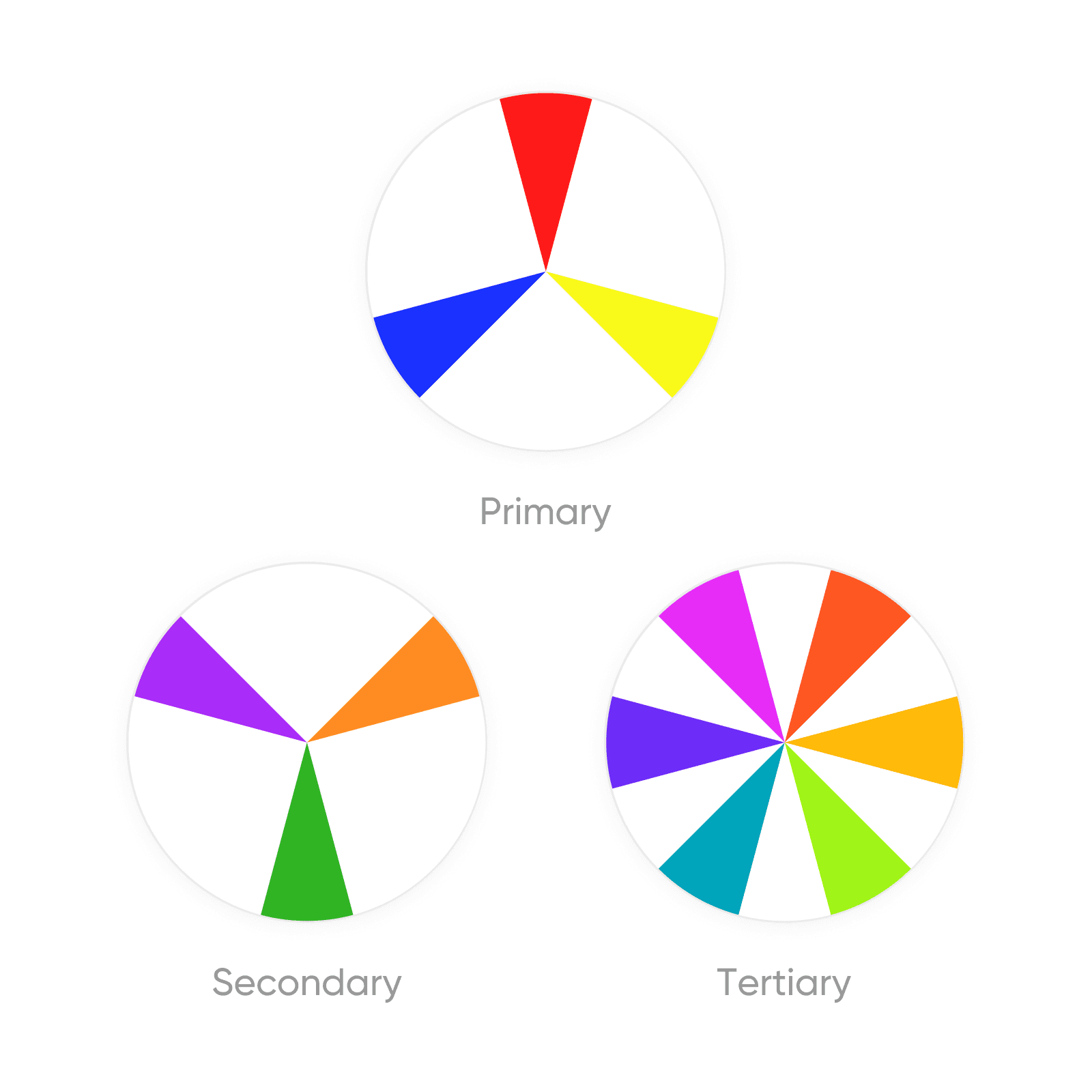
Color types: primary, secondary, and tertiary
The color wheel is structured around the primary colors (red, yellow, and blue), the foundational colors that combine to create secondary colors (orange, green, and purple).
- Primary colors: Red, yellow, and blue. These are the foundational colors used to create all other colors on the wheel.
- Secondary colors: Orange, green, and purple. These are created by combining primary colors.
- Tertiary colors: Turquoise, olive green, and violet. These emerge from mixing a primary color with a secondary color.
The classification into primary, secondary, and tertiary colors helps in understanding complementary color relationships and facilitates the creation and manipulation of a wide range of colors within the wheel.
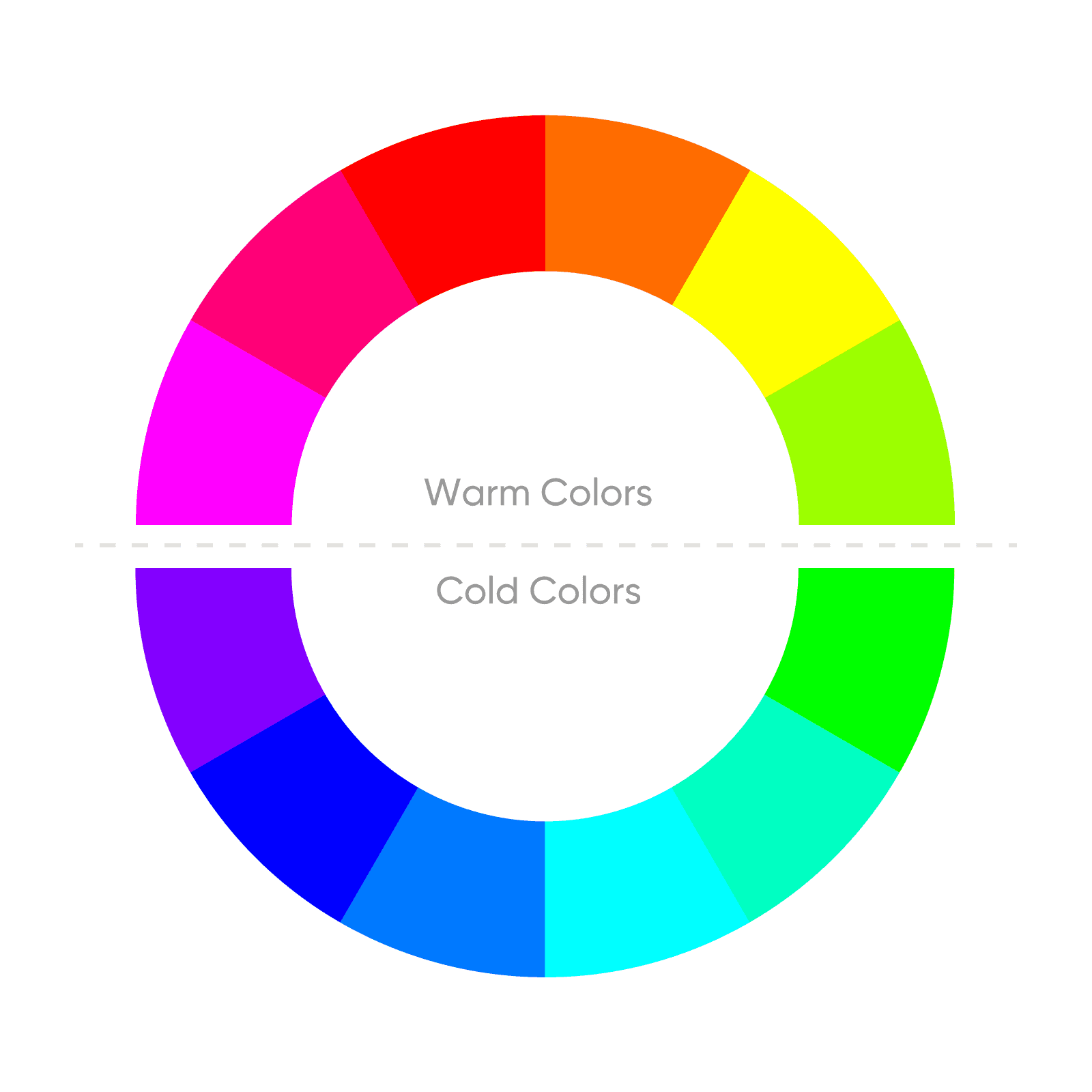
Color temperature: Warm and cool colors
Understanding the concept of color temperature, which divides the color wheel into warm and cool colors, is crucial for setting the mood and atmosphere in your designs.
- Warm colors, such as red, orange, and yellow, are often associated with energy, passion, and excitement, evoking feelings of warmth and coziness. They are ideal for designs intended to stimulate and energize the viewer.
- Cool colors, including blue, green, and purple, tend to evoke calmness, peace, and tranquility, making them perfect for creating a serene and inviting atmosphere.
The strategic use of color temperature can significantly impact the emotional response elicited by your designs, allowing you to craft experiences that resonate deeply with your audience.
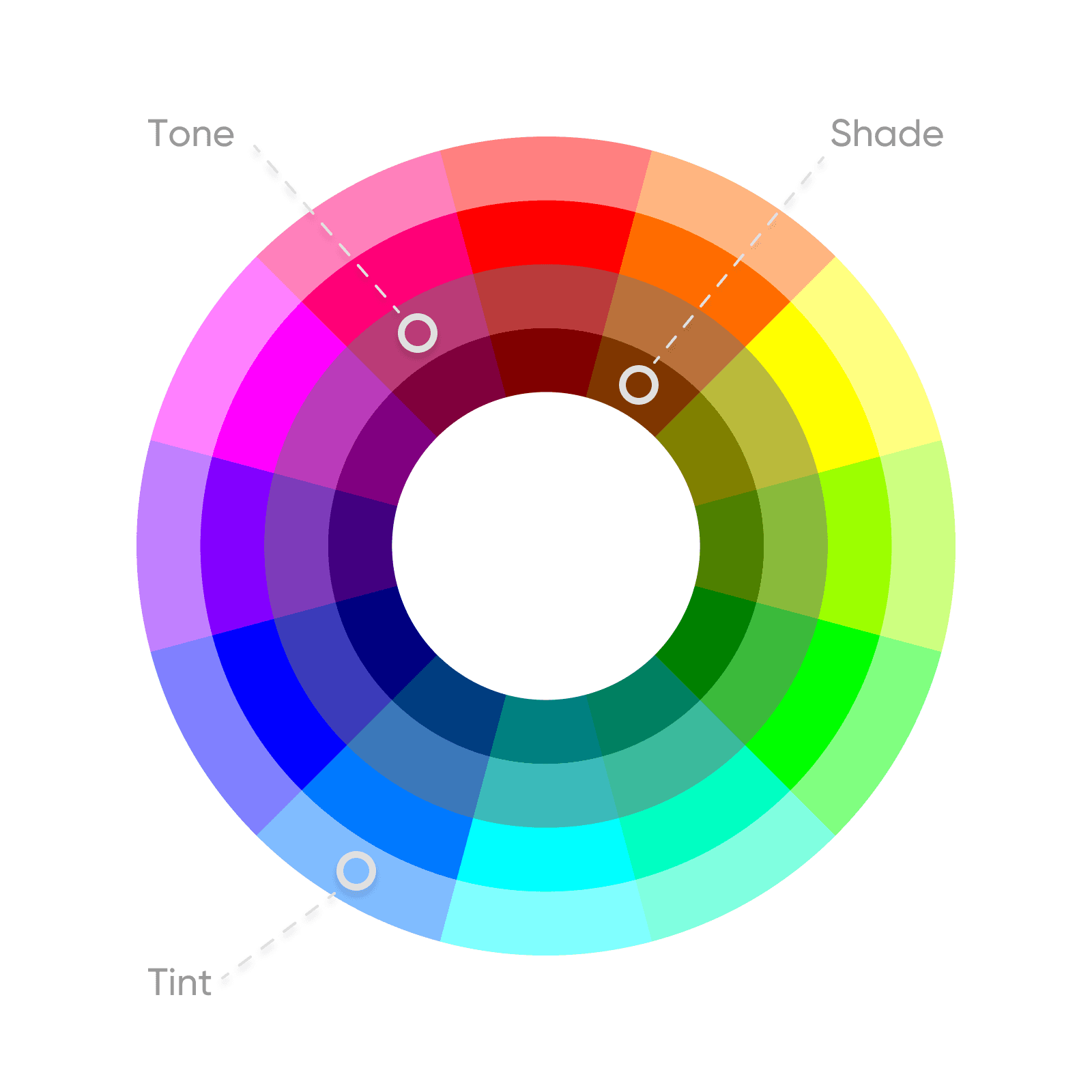
Color components: Shade, tint, and tone
Manipulating the color wheel’s shade, tint, and tone attributes allows for a rich exploration of color variations, expanding your creative palette beyond the basic hues. By adding black, you can create shades of color, introducing depth and intensity to your designs. Tints are achieved by adding white, offering a lighter, softer version of the original color, ideal for delicate and subtle design elements. Tones, created by adding gray, reduce the saturation of a color, resulting in a more muted and sophisticated appearance.
Building blocks of color: hue, saturation, luminance
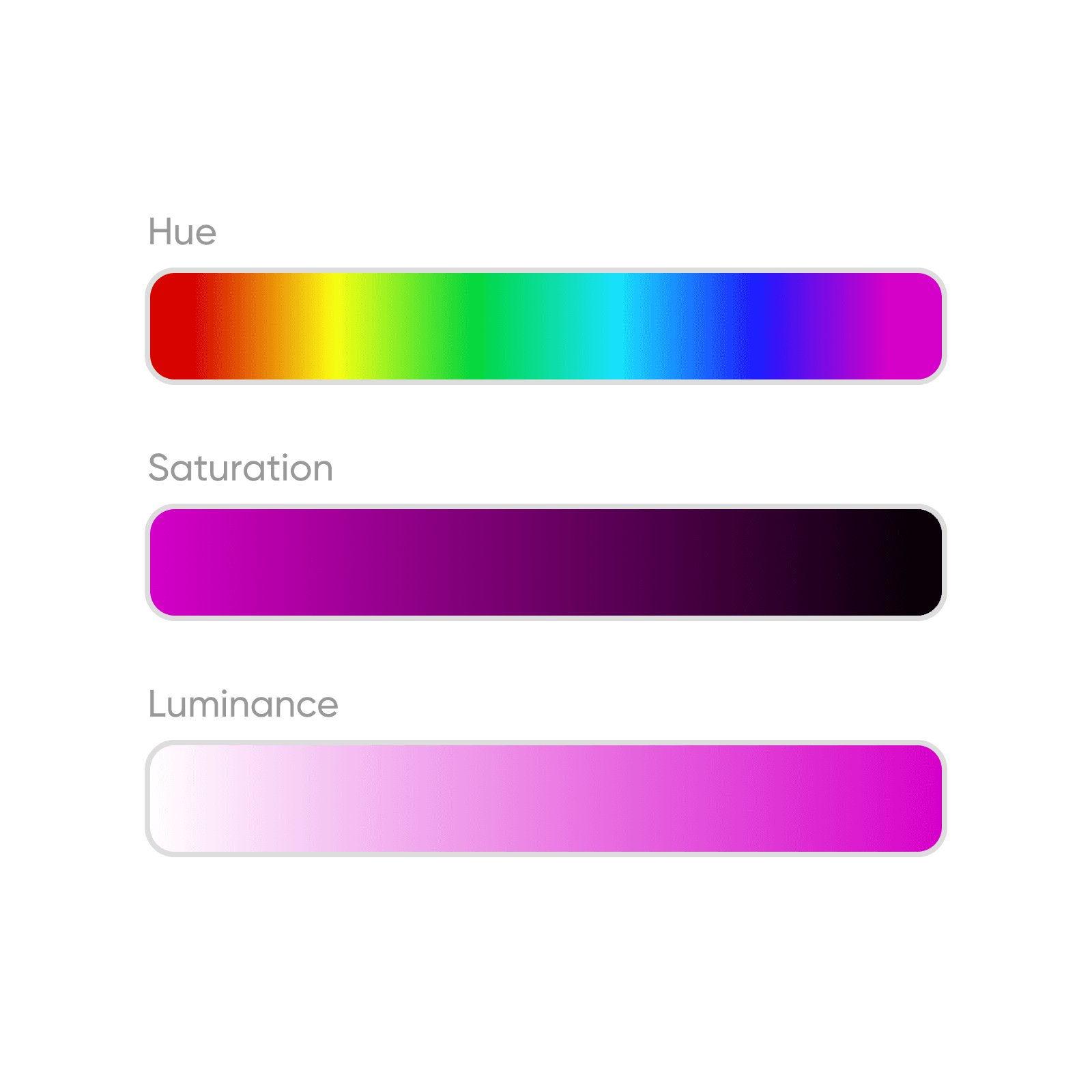
To truly master the art of color in your projects, it’s crucial to understand the three foundational properties that give colors their unique characteristics and effects: hue, saturation, and luminance. Understanding these building blocks is essential for anyone looking to apply color theory effectively, ensuring their creations not only catch the eye but also convey the desired emotional and aesthetic message.
- Hue: At the heart of color theory, hue refers to the pure spectrum colors identified by color names like red, green, or blue. It’s the aspect of color we most commonly recognize and is the starting point for creating color combinations and schemes.
- Saturation: This property measures the intensity and purity of a color. High saturation means the color is vivid and full of life, while low saturation results in a more subdued, greyish appearance. Saturation controls the vibrancy of a color and its impact on a design.
- Luminance (or Lightness): Luminance dictates how light or dark a color appears. Adjusting the luminance can alter the mood and spatial dynamics of a composition. Brighter colors (high luminance) can make elements stand out and appear closer, while darker colors (low luminance) can add depth and sophistication.
Color wheel FAQ
A color wheel is a circular diagram that organizes colors around a circle, allowing users to visualize how colors relate to each other. It serves as a fundamental tool in understanding and applying color theory, facilitating the selection of harmonious color combinations for various design and art projects.
Build color palettes for every design idea
Pro
Most popularAI tools for everyday creative work.
Ultra
Most powerfulHeavy AI usage for creators & teams.
Enterprise
Custom AI solutions for large organizations.
- Volume discounts on credit rate
- On-demand top-ups


