Make money as a UGC creator with clear scope
A UGC creator earns by producing content a brand accepts and can use under agreed terms. Some projects also pay for posting or performance. Build relevant samples, choose a suitable brief, and define the work and rights before creating. A large audience is not required for every asset-only job.
Portfolio templates show sample content, not a verified creator's audience or earnings.
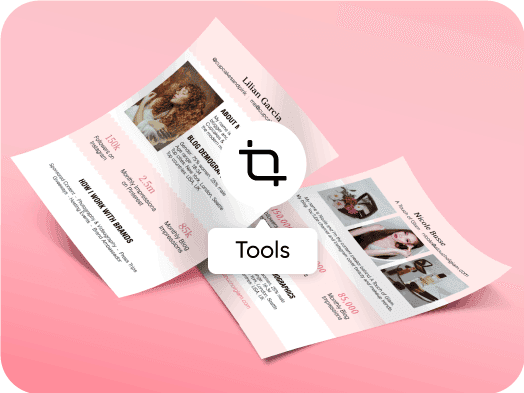
Build a portfolio around the work you can deliver
Illustrative presentation and creative examples. AI-assisted examples cannot stand in for human-only requirements.
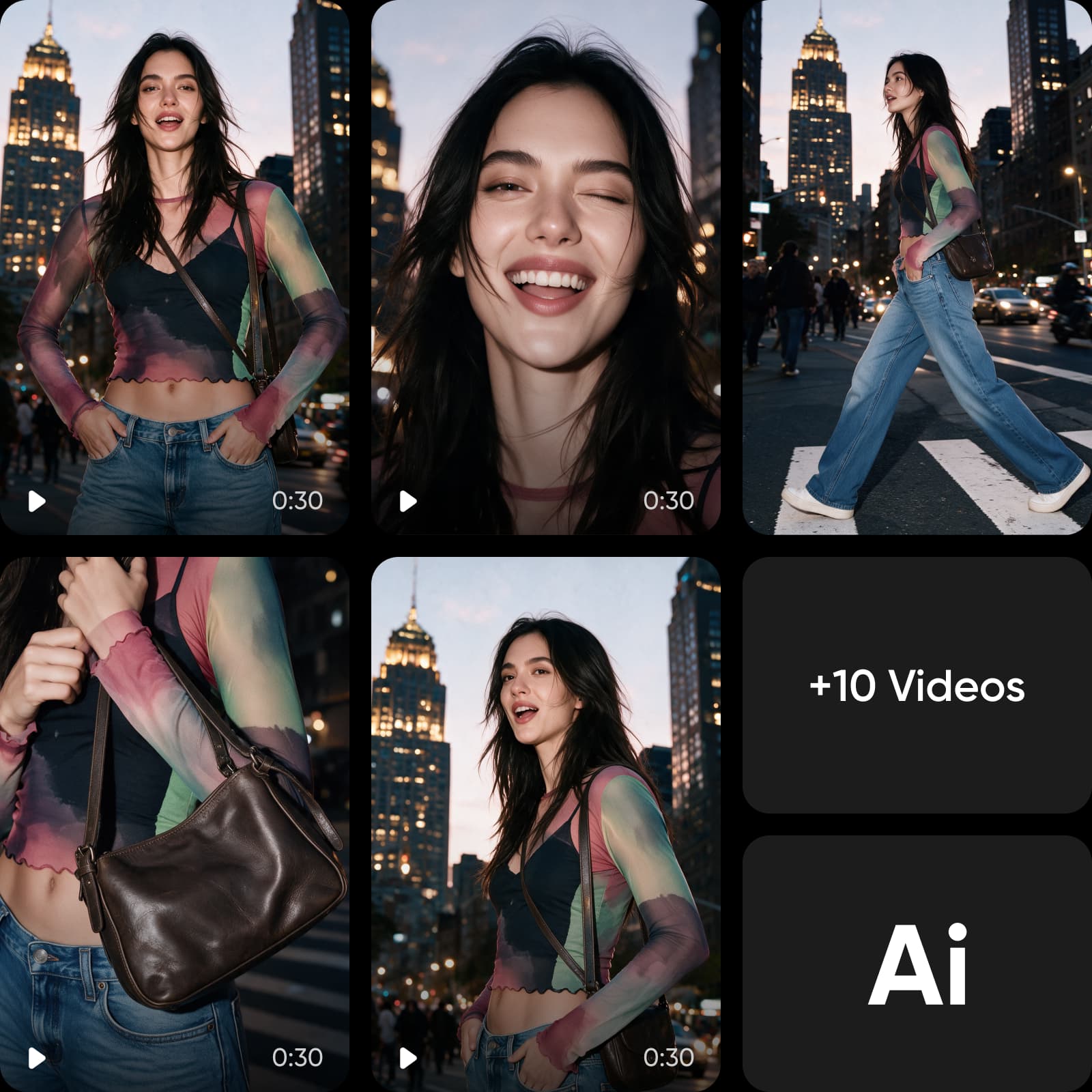


Understand the work a buyer is paying for
UGC means user-generated content. Paid brand briefs often use it to mean commissioned creator-style content.
- Asset-only job: Buys creative work.
- Influencer placement: Also uses your audience.
A project can include both, so separate the duties and payment conditions.
Start with 3 original samples: a truthful product demonstration, a problem-and-solution story, and a process tutorial. Label self-initiated work as a sample and only describe product experience you actually have.

Copy a UGC scope and quote worksheet
This is a scoping aid, not a contract. Work, rights, costs, and restrictions affect a sustainable quote. Avoid pricing an asset-only job solely from follower count or promising vague “full rights.”
Prepare a UGC project before the first shoot
Illustrative scope: 1 filmed concept, 3 opening variants, 1 final aspect ratio, and 1 agreed revision round. Define the use period and channels; paid media, raw footage, and exclusivity need explicit treatment.
Use Picsart where it serves the agreed work
Use Picsart Photo Editor for portfolio covers and permitted supporting visuals. Picsart Flow can connect repeatable creative steps where the brief allows them. Keep genuine demonstrations and firsthand experience truthful.
A synthetic presenter is a different deliverable from a real customer or human creator. It cannot satisfy a human-only brief or truthfully describe an experience nobody had. Check rights and commercial audio before making the final export.

See how an asset-only Earn brief differs
A closed Earn UGC video brief accepted human video without social posting and prohibited AI-generated video, faces, voices, and interfaces. It is a historical example, not a current job offer or a universal payment model.
For a current opportunity, check:
- Eligibility: Country and account requirements.
- Deliverables: Allowed tools and posting obligations.
- Terms of the work: Approval, rights, caps, and the reward basis.
The Earn program terms set general conditions, while individual briefs define the requested work.

Track the project beyond the export
Paid or gifted posts can require disclosure. The US disclosure guide covers material connections and genuine experience; local and platform rules can add requirements.
Get answers before you start
A large following is not required for every asset-only UGC job. Buyers can evaluate your samples and deliverable, while posting or campaign work may add audience requirements.