GPT Image 1.5: 크리에이터를 위한 AI 이미지 생성
Picsart의 AI Image Editor에 OpenAI의 GPT Image 1.5가 통합되어 강력하고 사실적인 이미지 생성을 크리에이티브 작업 흐름에서 바로 이용할 수 있습니다. GPT Image 1.5는 프롬프트를 정확히 이해하고 시각적 완성도가 높은 이미지를 생성합니다. 소셜 콘텐츠부터 전문적인 디자인 프로젝트까지, Picsart의 직관적인 편집 환경에서 세밀하고 표현력 있는 이미지를 만들어 보세요.
- 사실적이고 섬세한 이미지 만들기
- 세밀한 시각적 프롬프트 반영하기
- 이미지에 읽기 쉬운 텍스트 생성하기


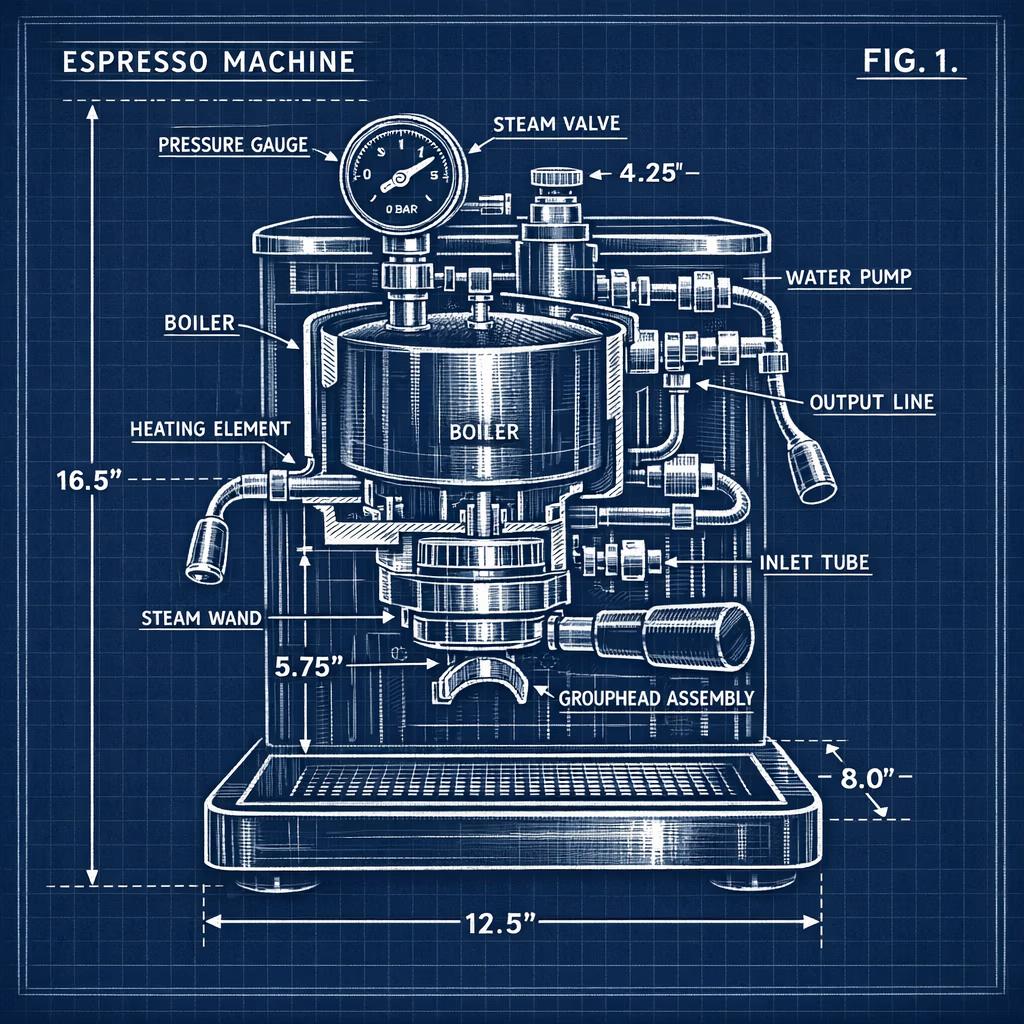

GPT Image 1.5란?
GPT Image 1.5는 자연어 프롬프트를 바탕으로 사실적이고 세밀한 이미지를 생성하도록 설계된 OpenAI의 고급 이미지 생성 모델입니다. 이전 GPT 이미지 모델을 기반으로 프롬프트 이해력이 향상되고, 복잡한 장면을 더 잘 처리하며, 일관된 결과물을 제공합니다. 특히 이미지 안의 텍스트를 표현하고 공간 관계를 이해하며, 창작 의도에 가까운 이미지를 만드는 데 강점을 보입니다.

GPT Image 1.5로 만들 수 있는 콘텐츠
프롬프트로 사실적인 이미지 만들기
상세한 텍스트 설명을 고품질의 사실적인 이미지로 바꿔 보세요. Picsart의 AI Image Editor에서 정확한 조명과 질감, 구도를 구현할 수 있습니다.

Picsart에서 GPT Image 1.5가 작동하는 방식
Picsart는 GPT Image 1.5를 AI Playground 와 AI Image Generator에 직접 통합했습니다. 따라서 크리에이터는 모델 자체를 조작하지 않고도 이미지를 생성하고 다듬을 수 있습니다. 이 통합은 프롬프트 전달과 모델 조정을 백그라운드에서 처리하므로, 사용자는 기술 설정 대신 창작 결과에 집중할 수 있습니다. Playground에서 아이디어를 시험하든 AI Image Generator에서 완성도 높은 이미지를 만들든, 두 환경 모두 같은 GPT Image 1.5 모델을 사용해 일관된 품질을 제공합니다.

크리에이터들이 GPT Image 1.5를 선택하는 이유
GPT Image 1.5는 섬세한 프롬프트를 이해하고 창작 의도에 정확히 부합하는 이미지를 만드는 데 강점을 보입니다. 복잡한 장면을 처리하고 이미지 안의 텍스트를 읽기 쉽게 표현하며, 다양한 스타일에서 일관되고 사실적인 결과물을 생성합니다. Picsart의 AI Image Editor에 통합되어 있어 기술 지식이나 복잡한 작업 과정 없이도 초보자부터 전문가까지 누구나 전문가 수준의 이미지를 만들 수 있습니다.
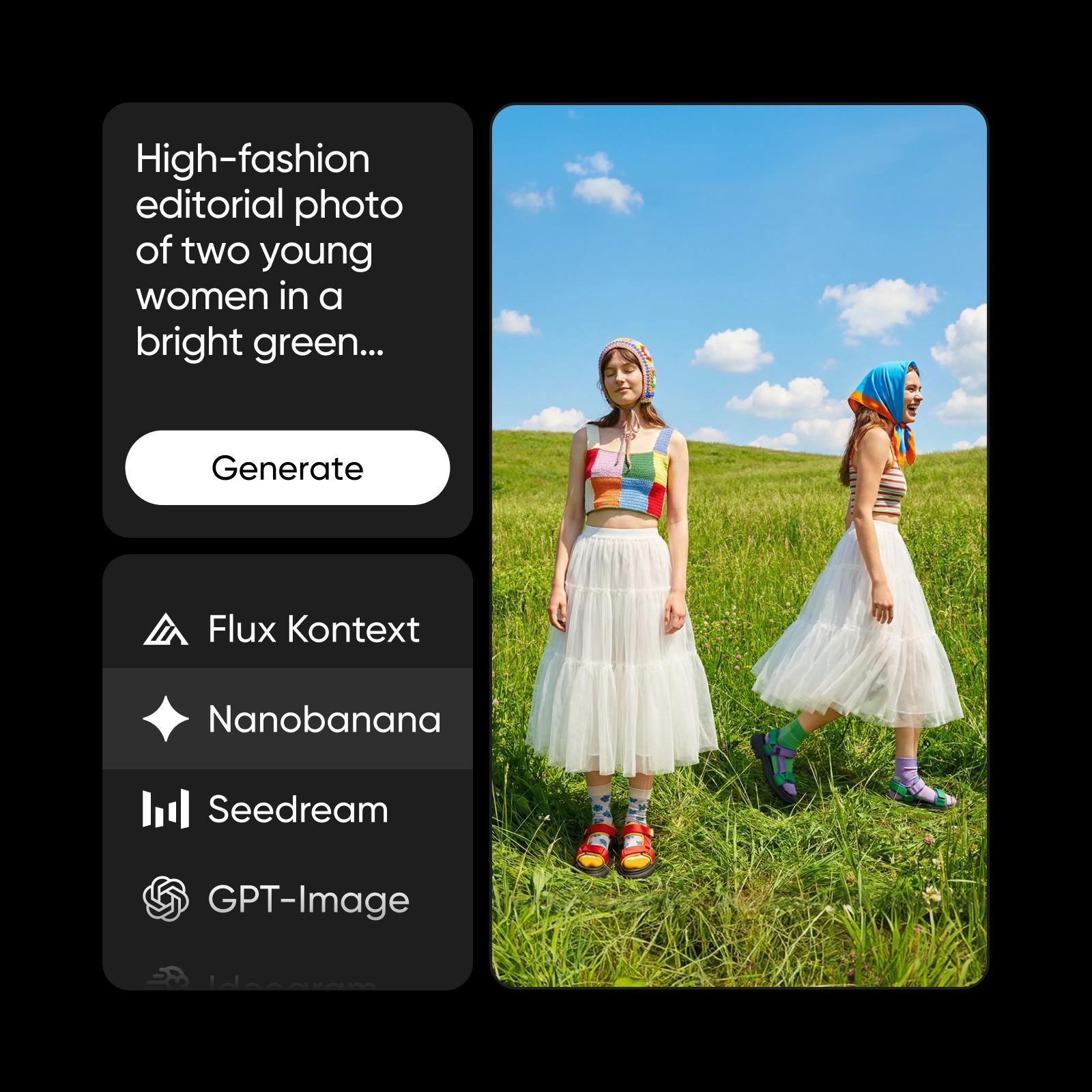
Picsart 생태계의 GPT Image 1.5
GPT Image 1.5는 Picsart의 크리에이티브 생태계를 지원하는 여러 고급 AI 모델 중 하나입니다. 주요 AI 제공업체의 모델들과 함께 플랫폼 전반에서 이미지 생성, 시각적 향상, 콘텐츠 제작을 지원합니다. 다양한 모델을 활용하는 방식으로 크리에이터는 프로젝트마다 가장 적합한 결과를 유연하게 얻을 수 있으며, 모델 선택과 최적화는 Picsart가 백그라운드에서 처리합니다.
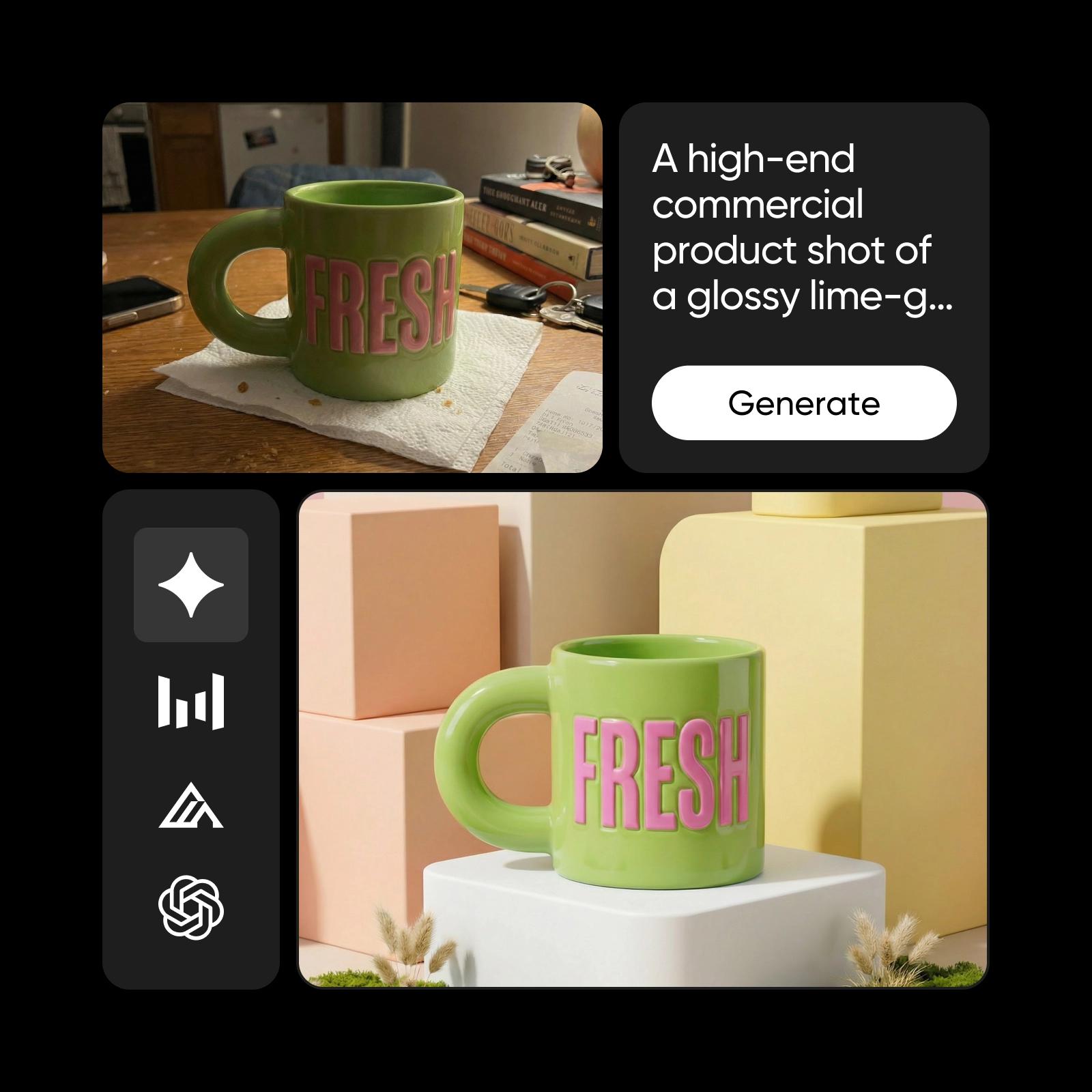
이미지 모델 선택 방법 알아보기
이미지 모델을 비교하고 원하는 결과물을 얻을 모델을 선택하는 방법을 알아보세요.
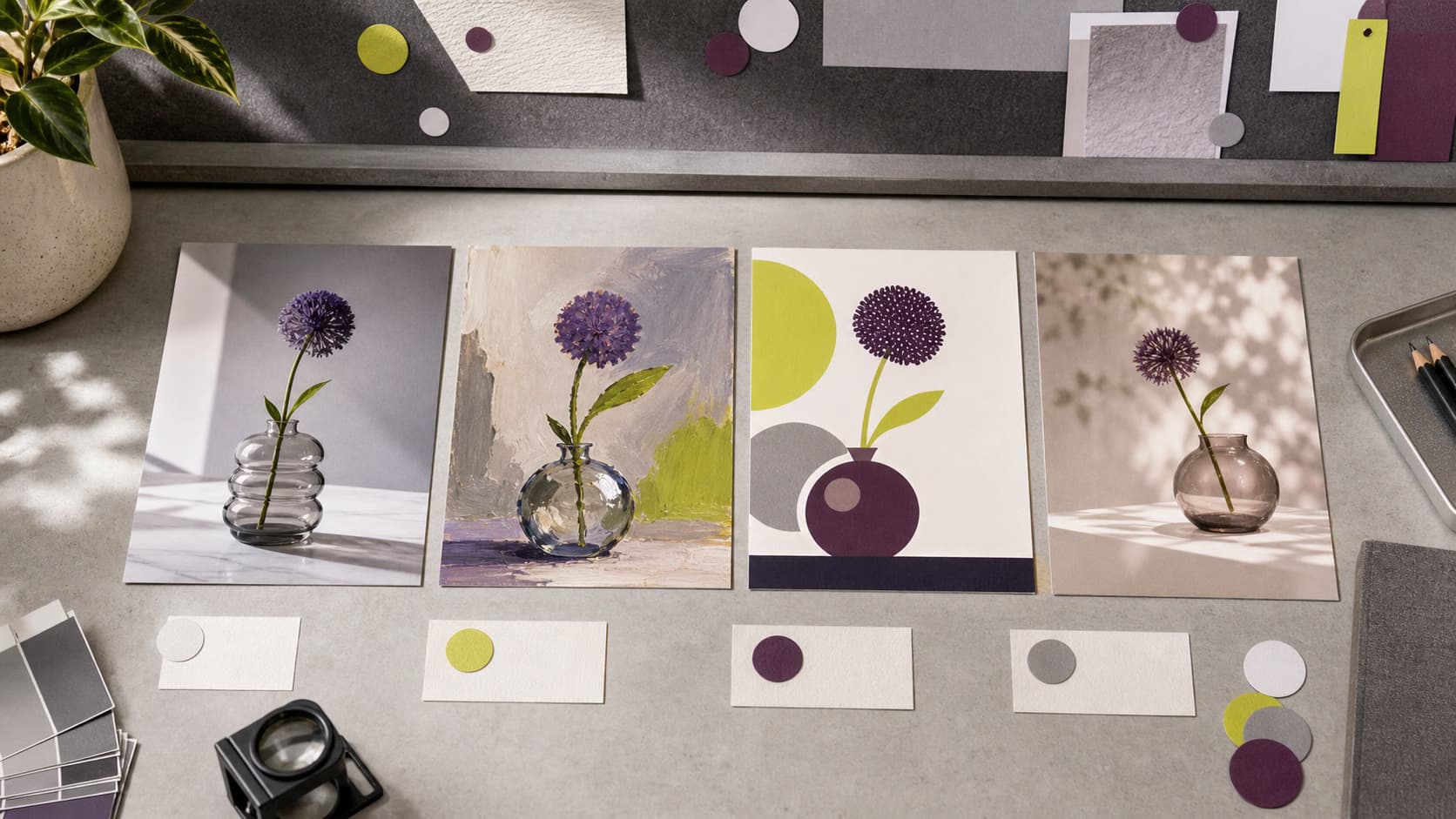
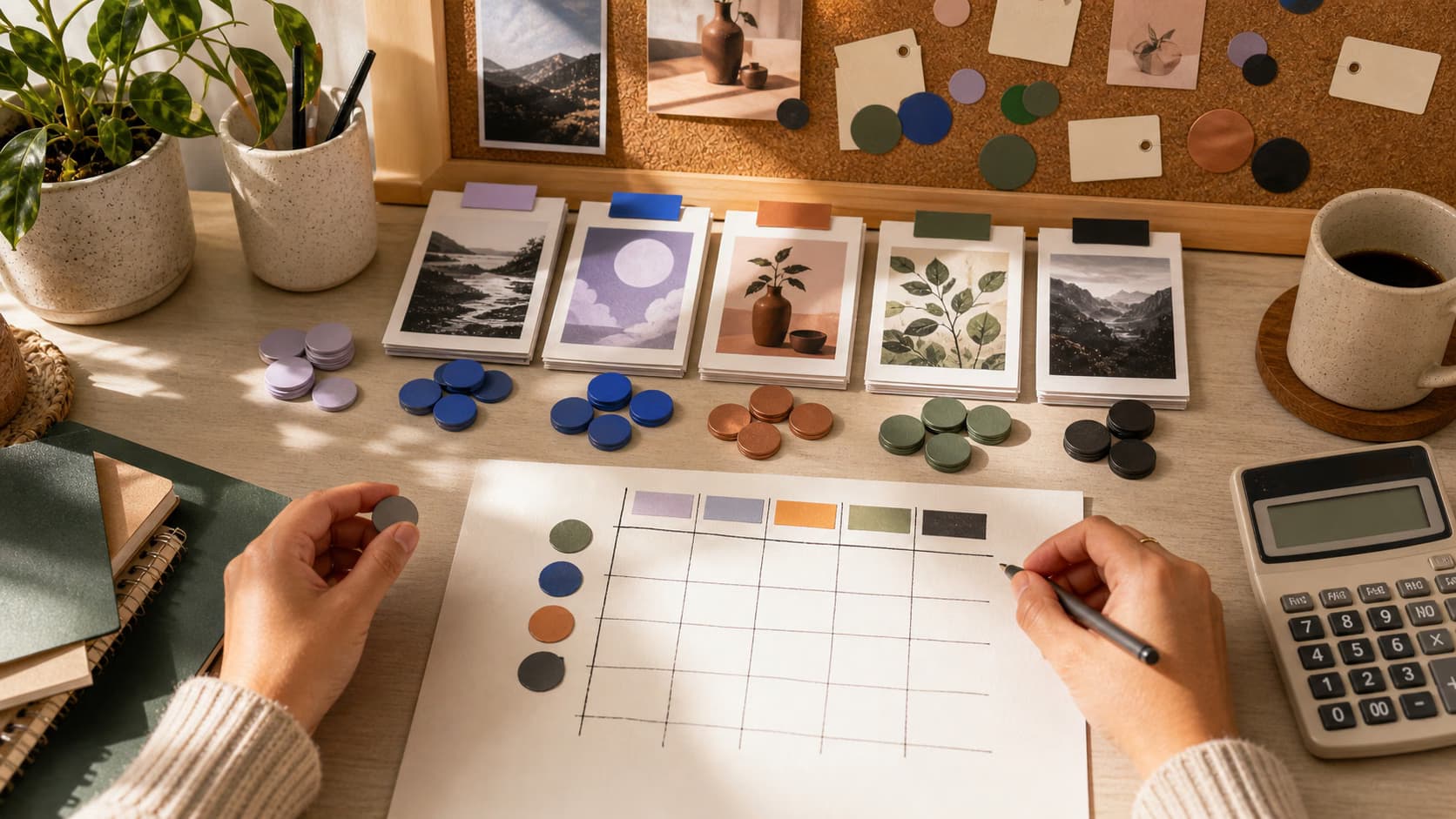
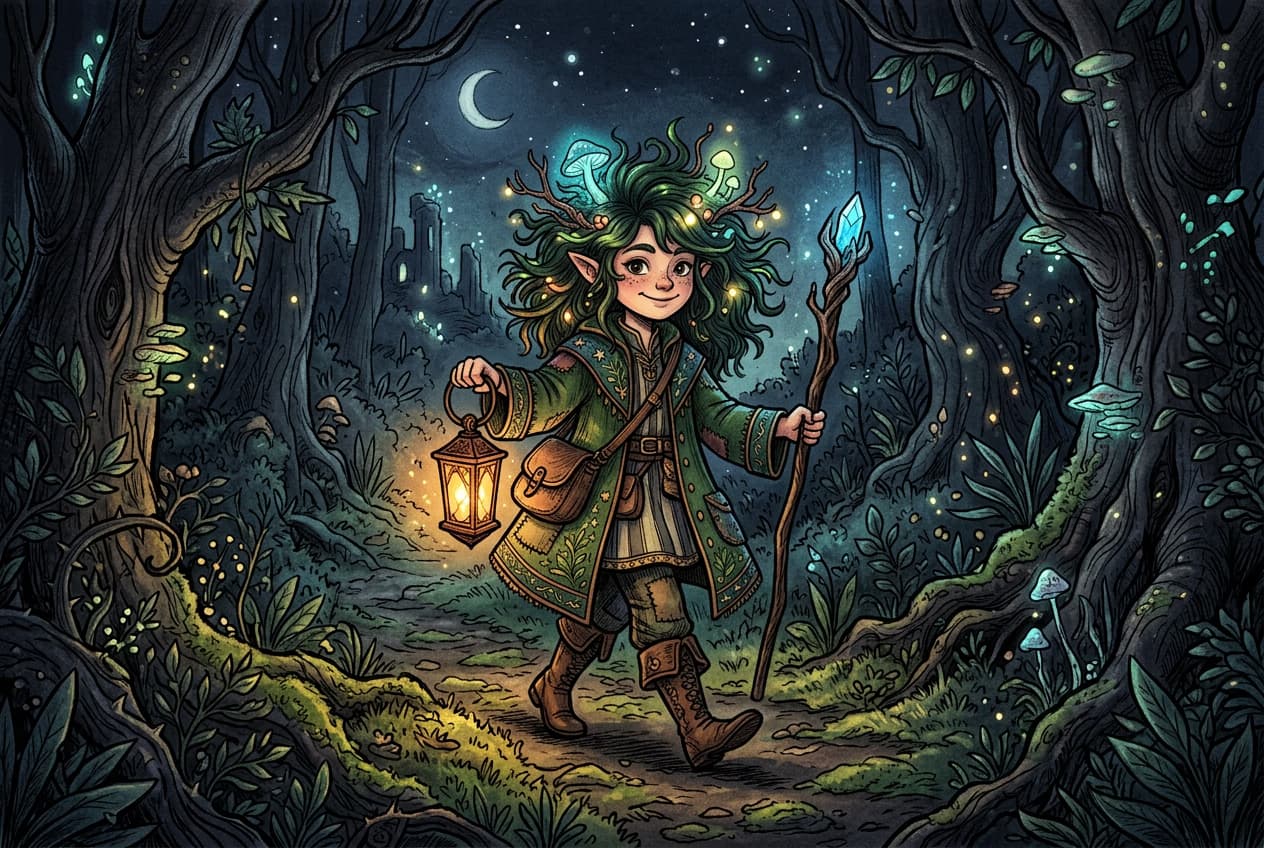

GPT Image 1.5와 비슷한 모델 더 알아보기
캠페인 이미지와 디자인 소재, 창의적인 실험에 활용할 GPT Image 1.5와 다른 이미지 모델을 비교해 보세요.
GPT Image 1.5 자주 묻는 질문
GPT Image 1.5는 OpenAI의 고급 AI 이미지 생성 모델입니다. 자연어 프롬프트를 정확히 이해하고, 일관된 시각적 품질로 사실적이고 세밀한 이미지를 생성합니다.
GPT Image 1.5로 AI 이미지 만들기
Pro
Most popularAI tools for everyday creative work.
Ultra
Most powerfulHeavy AI usage for creators & teams.
Enterprise
Custom AI solutions for large organizations.
- Volume discounts on credit rate
- On-demand top-ups