Nano Banana 2.1 vs Nano Banana 2 Lite: quality range or raw speed?
Two Google image models, two different jobs. Nano Banana 2.1 is the newest Gemini 3 series model, built for 4K output, doodle-based edits, and multi-image scenes. Nano Banana 2 Lite is the speed and cost tier, tuned for fast 1K generations at scale. Compare them here, then run both in Picsart.
- Test the same prompt on both models
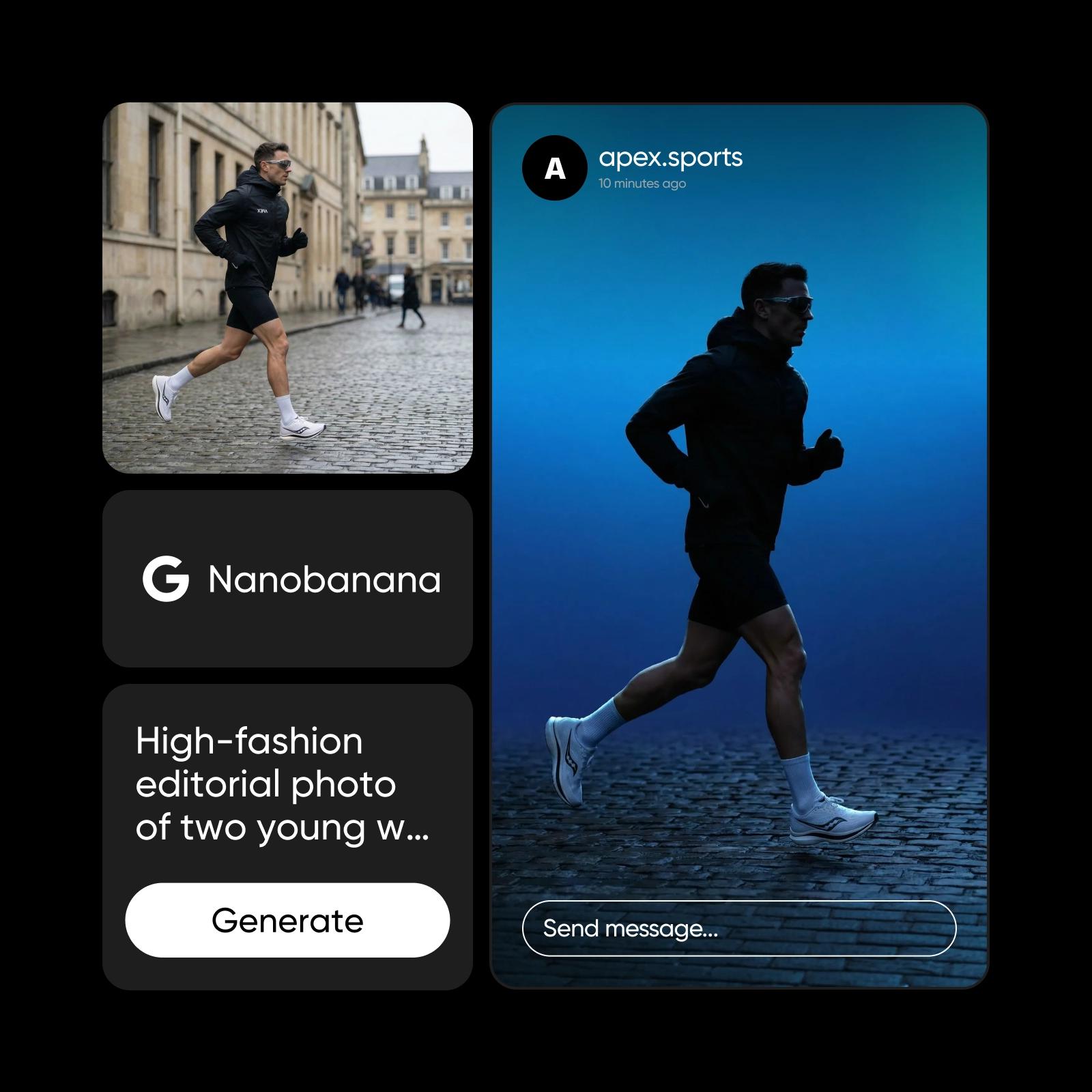
Nano Banana 2.1 vs Nano Banana 2 Lite at a glance
Both models generate and edit images from text and pictures. The split is simple: Nano Banana 2.1 gives you the full capability set, Nano Banana 2 Lite gives you the fastest, lowest-cost output in the family.
 Nano Banana 2.1Gemini 3 series, built on Gemini 3.6 Flash
 Nano Banana 2 LiteAlso known as Gemini 3.1 Flash-Lite Image
Meet the models
Nano Banana 2.1 is Google's newest Nano Banana image model, part of the Gemini 3 series and built on Gemini 3.6 Flash. It launched in October 2026 and handles generation and editing in one conversation. Nano Banana 2 Lite, also known as Gemini 3.1 Flash-Lite Image, arrived in mid-2026 as the efficiency specialist of the family - built for high-volume pipelines and rapid iteration where every second and every credit counts.
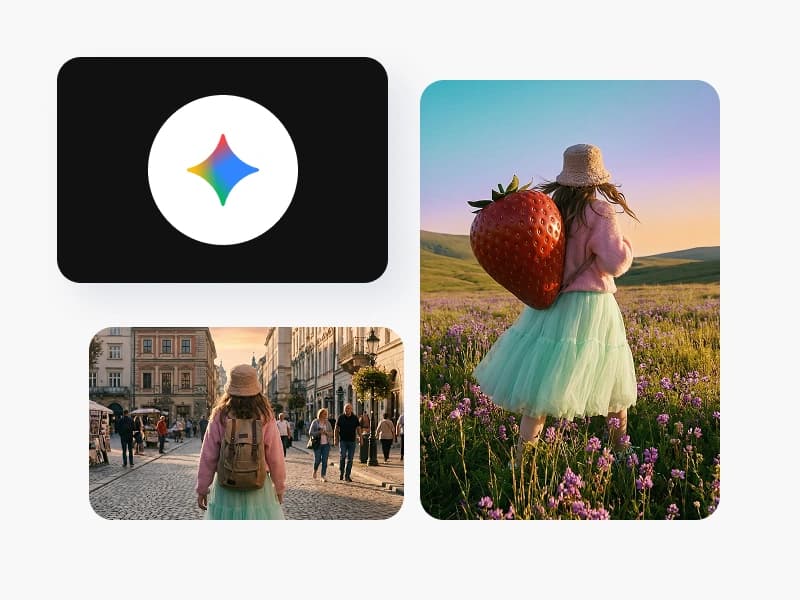
Resolution and formats: up to 4K vs fast 1K
Nano Banana 2.1 outputs 1K, 2K, and full 4K across 15 aspect ratios - from square 1:1 through cinematic 21:9 to banner formats like 8:1 and 1:8. Nano Banana 2 Lite is optimized for 1K output across 14 aspect ratios; per Google's documentation, 2K and 4K are not supported. If the image is headed for print, a hero banner, or heavy cropping, that resolution gap is the first thing to check.

Editing: doodle-level control vs rapid local edits
Editing is where the two models feel most different. Nano Banana 2.1 covers object and environment edits, stylization, character editing, and multi-image scenes - and you can doodle directly on the picture to mark exactly what should change. Nano Banana 2 Lite focuses on fast multi-turn local edits: swapping colors, creating stickers, adjusting backgrounds. Quick fixes land in seconds, while deeper restructuring belongs to 2.1.

Speed and cost: where Lite earns its name
Nano Banana 2 Lite is Google's fastest, most cost-efficient image model, with sub-2-second end-to-end latency - built for real-time apps, drafts, and pipelines that generate hundreds of images. Nano Banana 2.1 takes the other trade: more resolution, more formats, and deeper editing for the images that have to be final. A common workflow pairs them - explore variations with Lite, then re-run the winning direction through 2.1 at 4K.

Pick your model - or run both in Picsart
Choose Nano Banana 2.1 when output quality, format range, and editing control decide the result. Choose Nano Banana 2 Lite when iteration speed and cost per image matter more than resolution. In Picsart AI Playground you don't have to commit: send the same prompt to both, compare the results side by side, and keep polishing the winner in Picsart's editor.
Nano Banana 2.1 vs Nano Banana 2 Lite FAQ
Quick answers for choosing between the two Google image models.
They solve different problems. Nano Banana 2.1 is the full-capability Gemini 3 series model - up to 4K output, 15 aspect ratios, doodle-based editing, and multi-image scenes. Nano Banana 2 Lite is the speed and cost specialist, optimized for fast 1K generations at scale. Pick by the job, not by the version number.
Read more model comparisons
Head-to-head breakdowns from the Picsart blog.




More AI image models to use
Explore other AI image models available in Picsart AI Playground.


Keep comparing in Picsart
Related models and head-to-head comparisons.