AI VIDEO MODEL COMPARISON
Seedance 2.5 vs Kling 3.0: pick the right AI video model
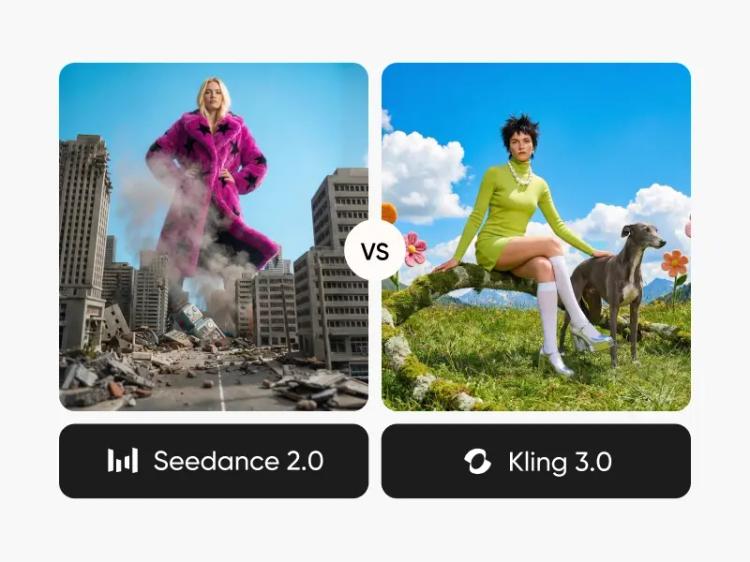
ByteDance's Seedance 2.5 and Kuaishou's Kling 3.0 are two of the strongest AI video models today. This Seedance 2.5 vs Kling 3.0 comparison breaks down clip length, resolution, audio, references, and creative control so you can choose with confidence. Try both side by side in Picsart AI Video Generator or AI Playground.
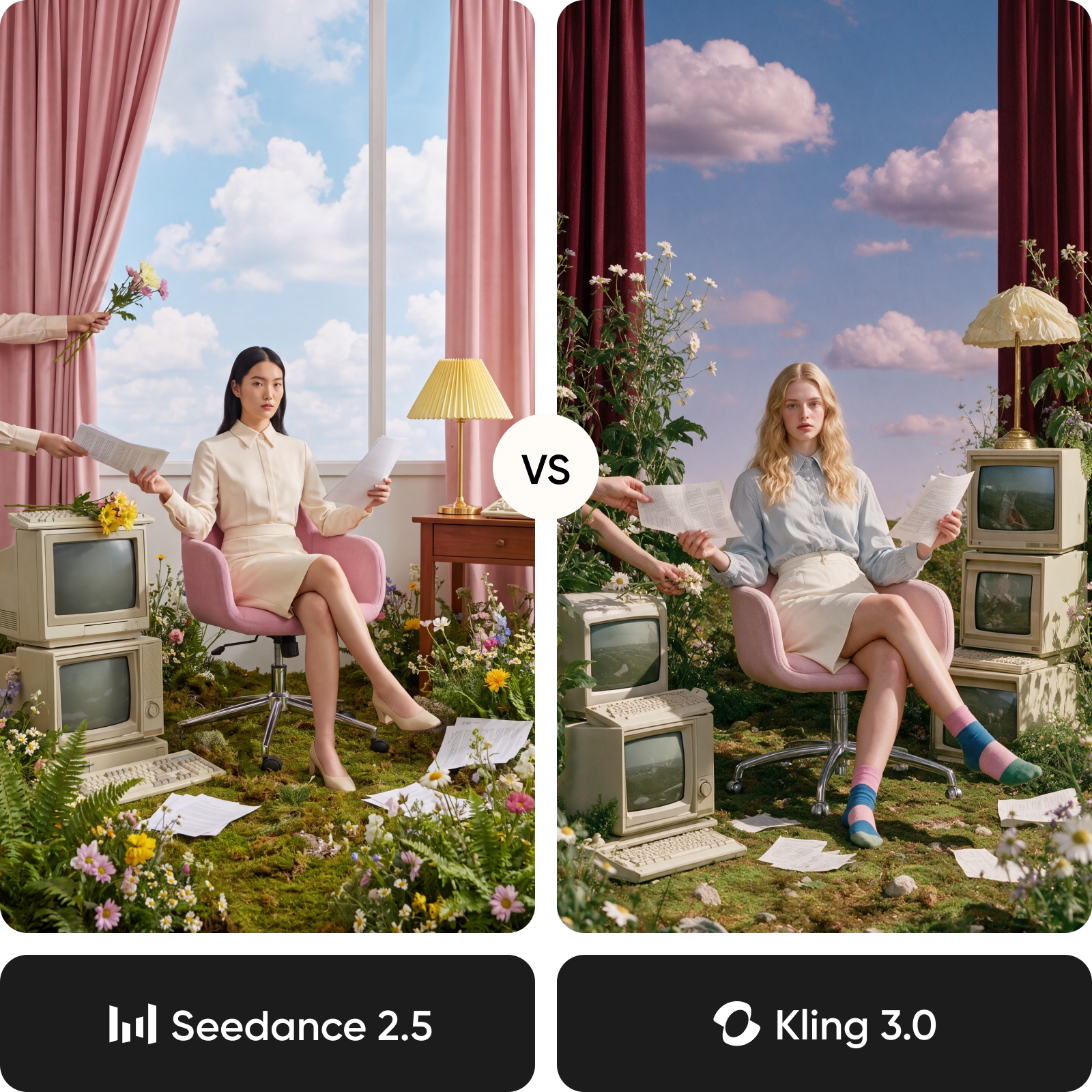
Feature comparison overview
Compare Seedance 2.5 vs Kling 3.0 side by side to see how their clip length, resolution, audio, references, and creative control differ for modern AI video generation.
MEET THE MODELS
Get familiar with Seedance 2.5 and Kling 3.0
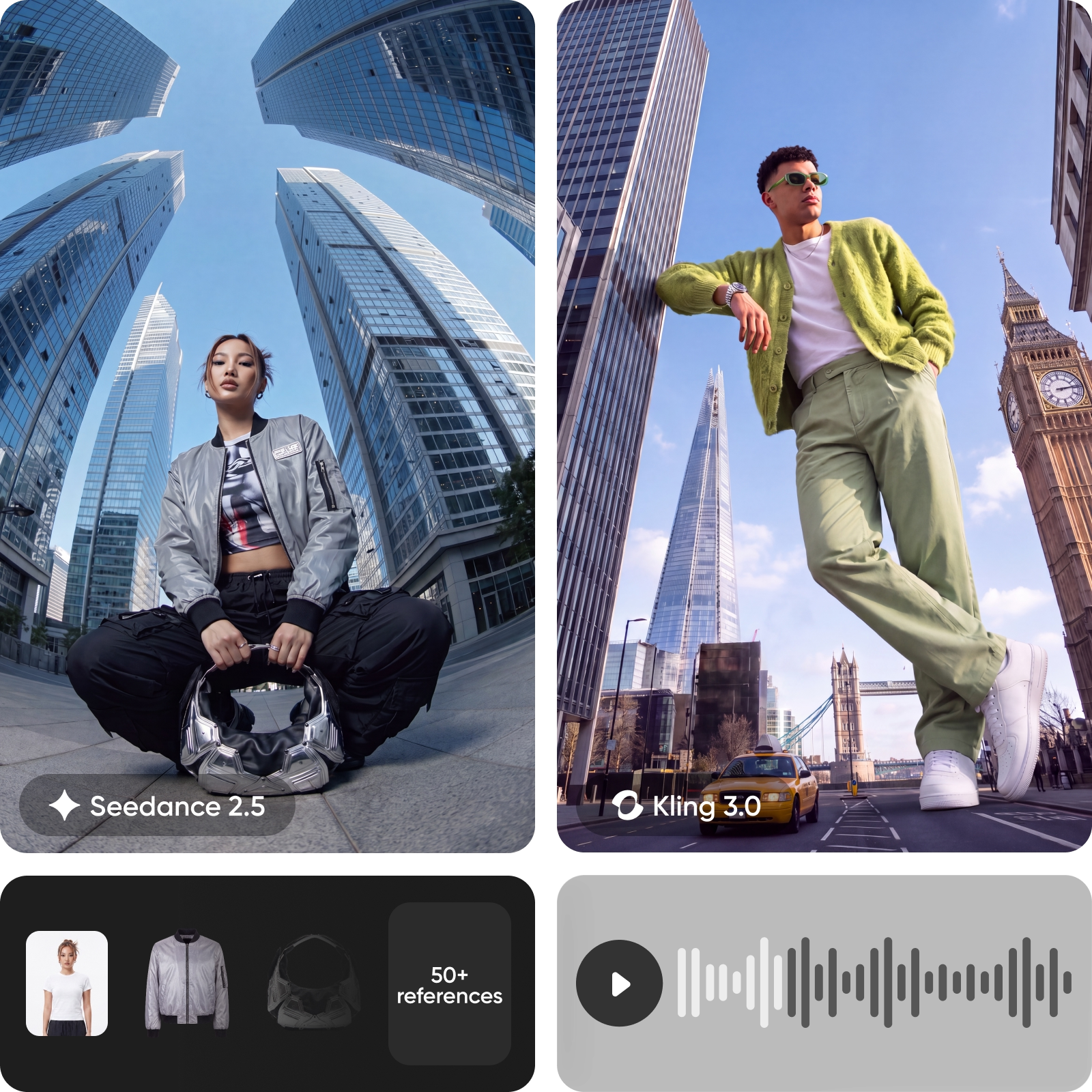
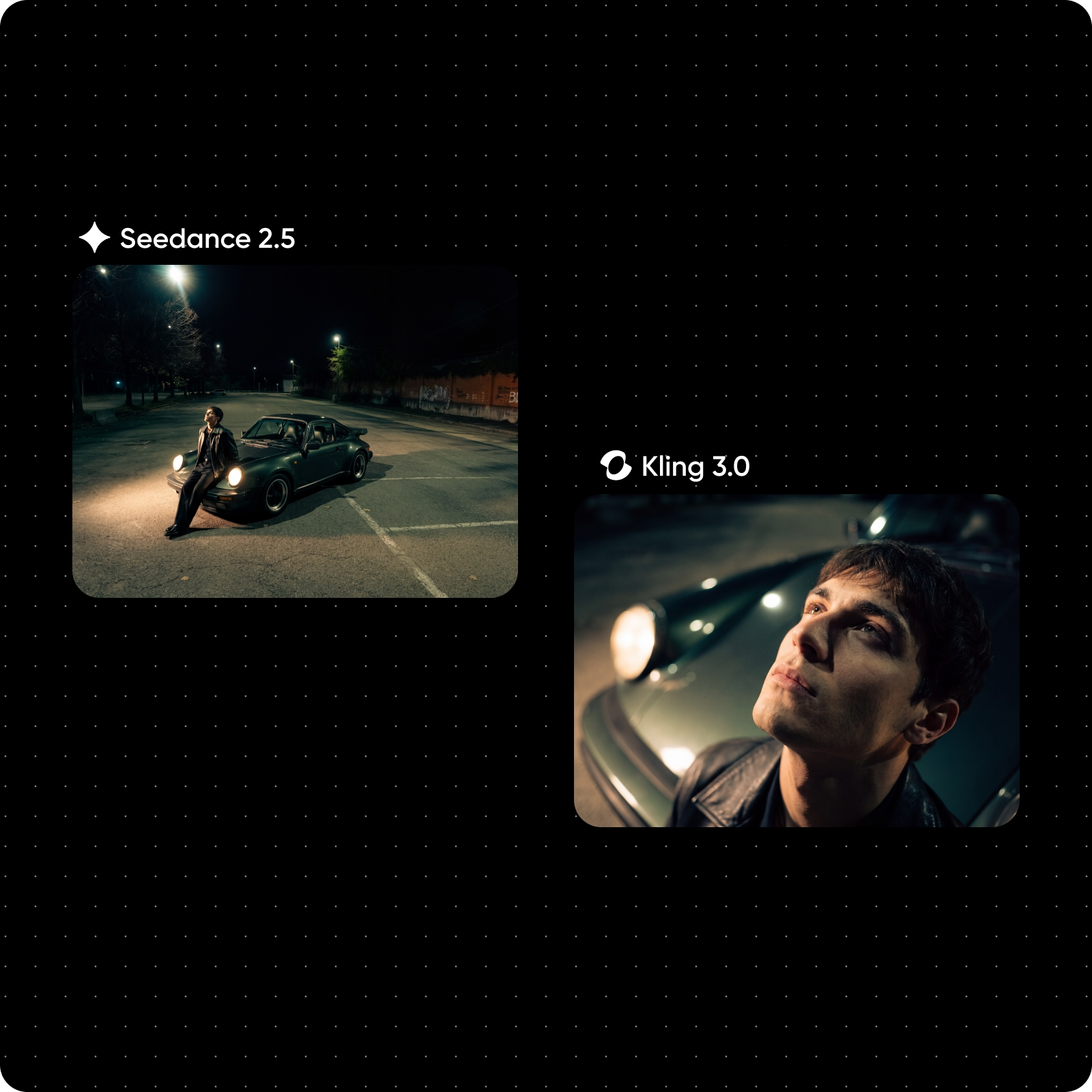
At a glance, both Seedance 2.5 and Kling 3.0 turn a prompt into high-quality video, but with different creative priorities. Seedance 2.5 is built for continuous, cinematic single-shot storytelling - up to 30 seconds in one take with physics-accurate light and synced audio. Kling 3.0 leans into structured, multi-shot control with longer sequences and hands-on motion tools. Try them both in our AI Video Generator.
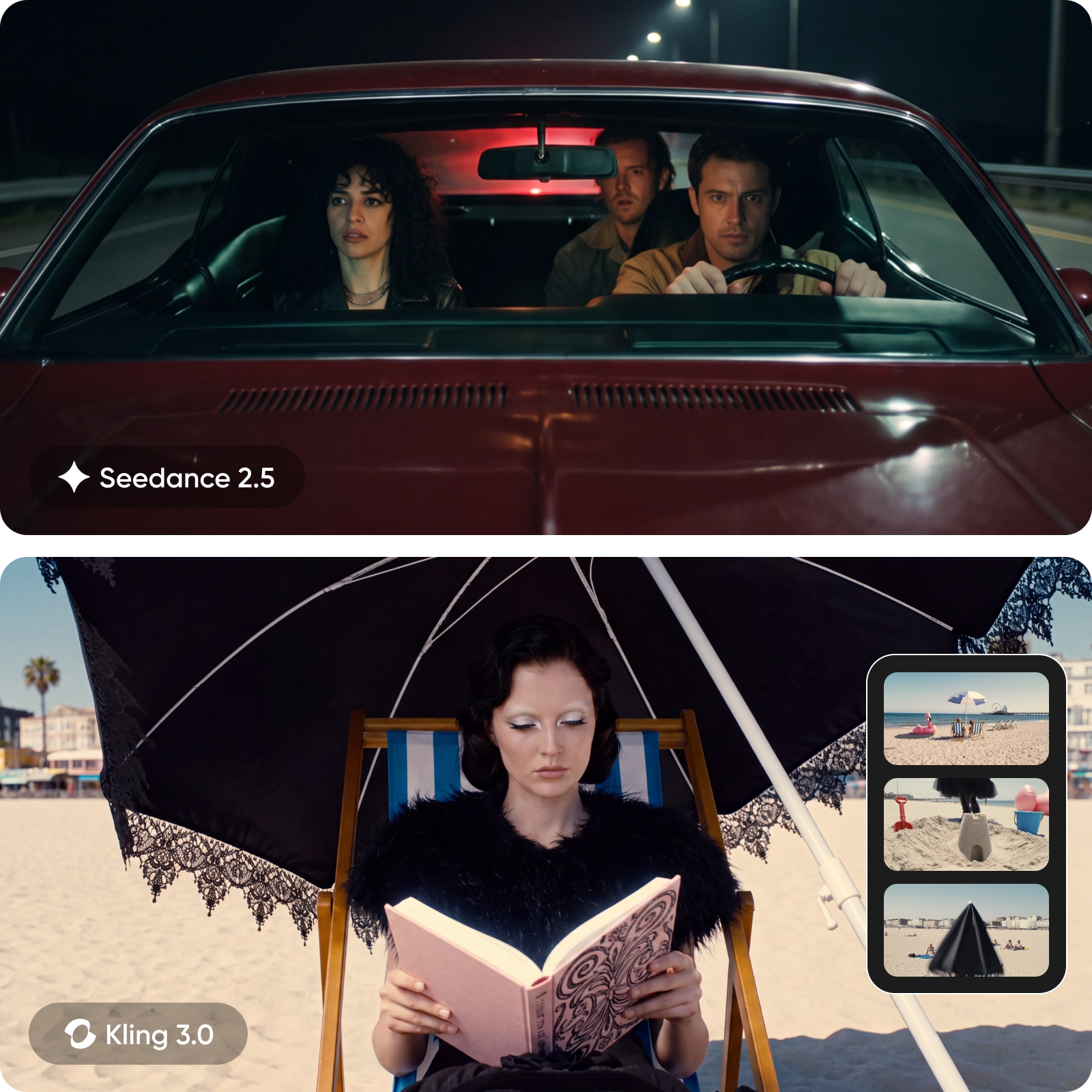
LENGTH, RESOLUTION, AUDIO
Compare clip length, resolution, and audio
Seedance 2.5 holds a full 30-second continuous shot with matched audio and 20-language lip-sync - ideal when you want one unbroken scene. Kling 3.0 caps single clips near 15 seconds but extends across scenes to minutes, outputs native 4K at up to 60fps, and adds 16-bit HDR/EXR for pro finishing. If unbroken length and synced dialogue matter most, Seedance leads; for maximum resolution and HDR, Kling leads.
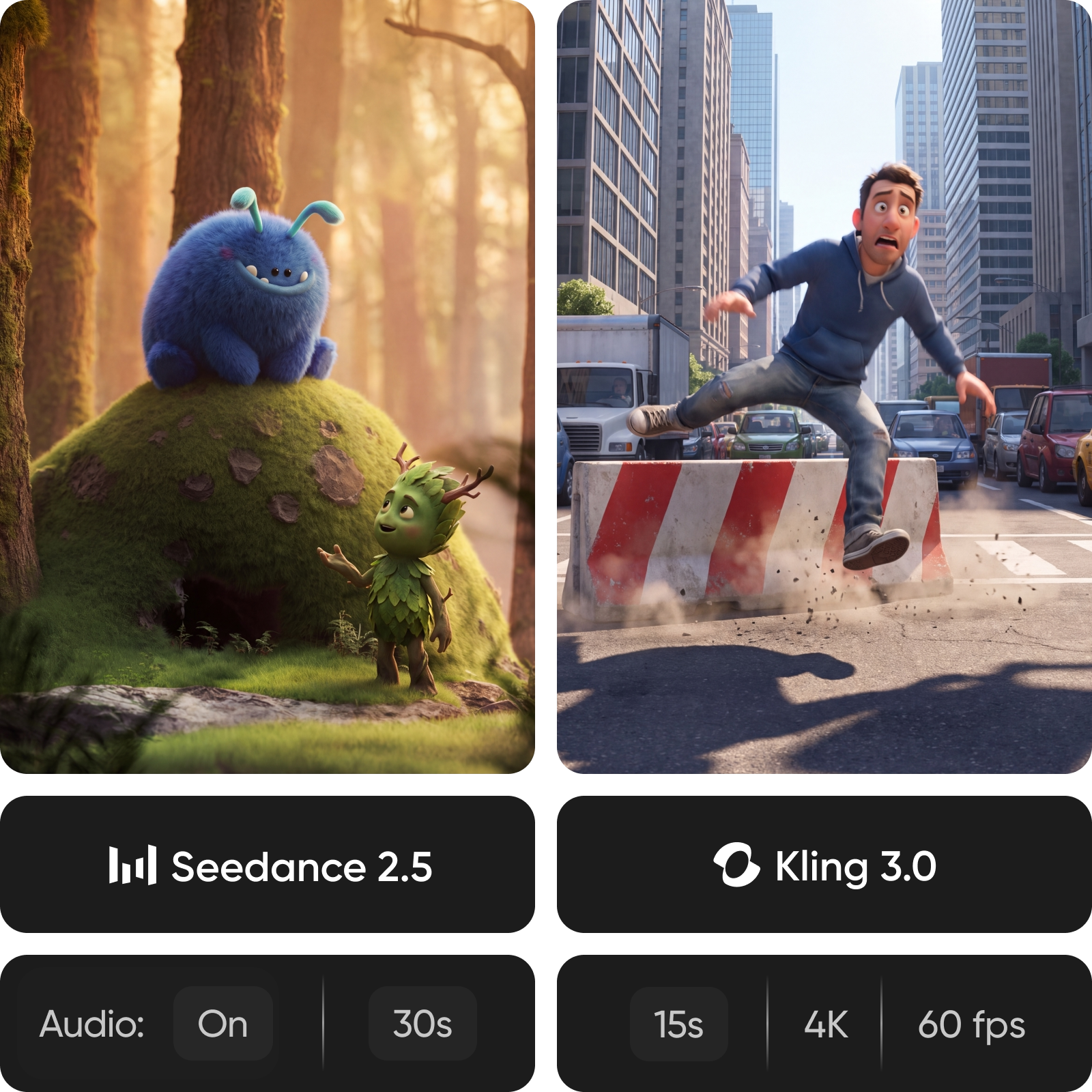
STORY VS CONTROL
One continuous take vs multi-shot control
Kling 3.0 gives you hands-on direction - multi-shot storyboarding across up to six connected scenes, Motion Brush, and camera-path control. Seedance 2.5 takes the opposite approach: one continuous 30-second take that needs no stitching, with physics-accurate lighting and impact physics keeping the action believable. Kling is manual control; Seedance is effortless continuity.
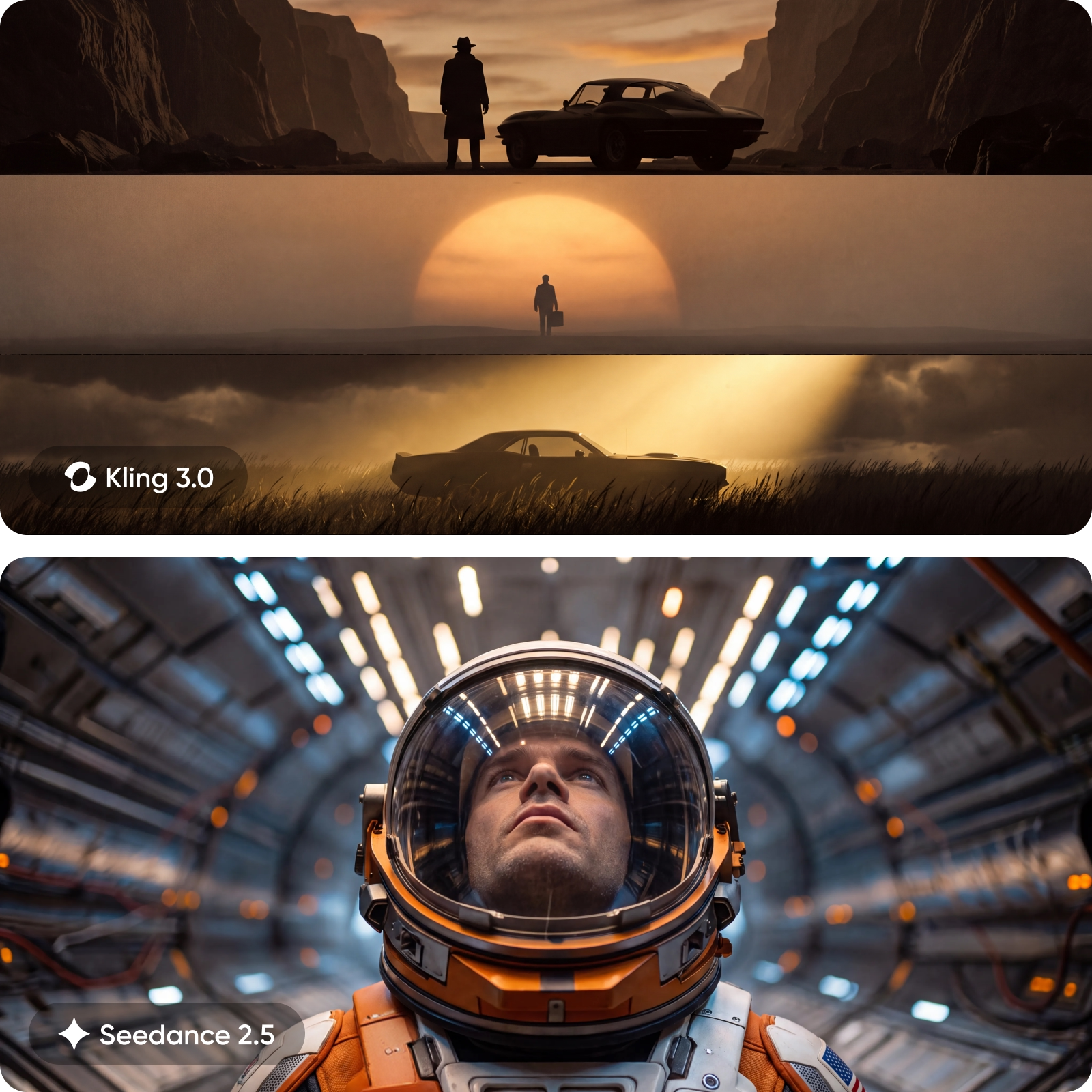
CONSISTENCY & REFERENCES
References, character consistency, and control
Seedance 2.5 accepts up to 50 references - images, video, and audio - to lock a character's face, wardrobe, and voice across an entire sequence, plus 3D-reference VFX and texturing. Kling 3.0 uses reference extraction for visual and voice traits. Both keep characters consistent; Seedance offers more reference headroom, while Kling offers more shot-level control.
PICK YOUR MODEL
Choose Seedance 2.5 or Kling 3.0 for your workflow
Choose Seedance 2.5 for continuous, cinematic scenes with synced audio and heavy reference control - great for short films and complete narrative beats. Choose Kling 3.0 for structured, multi-scene production with 4K/HDR output and hands-on motion tools. Choose Picsart to use both - compare Seedance 2.5 and Kling 3.0 side by side and pick the best model for each project.
Seedance 2.5 vs Kling 3.0 FAQ
Seedance 2.5 focuses on continuous, single-shot cinematic video - up to 30 seconds in one take with synced audio and up to 50 references. Kling 3.0 focuses on structured, multi-shot storytelling with native 4K/60fps output, HDR, and hands-on motion tools.
Seedance 2.5 holds up to 30 seconds in one continuous take. Kling 3.0 caps single clips near 15 seconds but can extend across scenes to a few minutes.
Kling 3.0 outputs native 4K at up to 60fps with 16-bit HDR/EXR. Seedance 2.5 is tuned for continuous cinematic shots with physics-accurate lighting.
Seedance 2.5 supports 20 languages with matched lip-sync; Kling 3.0 supports lip-synced speech across multiple languages.
Kling 3.0 - with multi-shot storyboarding (up to 6 scenes), Motion Brush, and camera-path control. Seedance 2.5 favors one effortless, physics-accurate continuous take.
Seedance 2.5 accepts up to 50 references (image, video, and audio). Kling 3.0 uses reference extraction for visual and voice traits.
Both are available in Picsart AI Video Generator and AI Playground, where you can generate and compare them from a single prompt. Content can be used commercially, subject to Picsart's terms of use.
More AI model comparisons
Understand AI video generation
Learn how prompts, clips, and model choices shape videos.